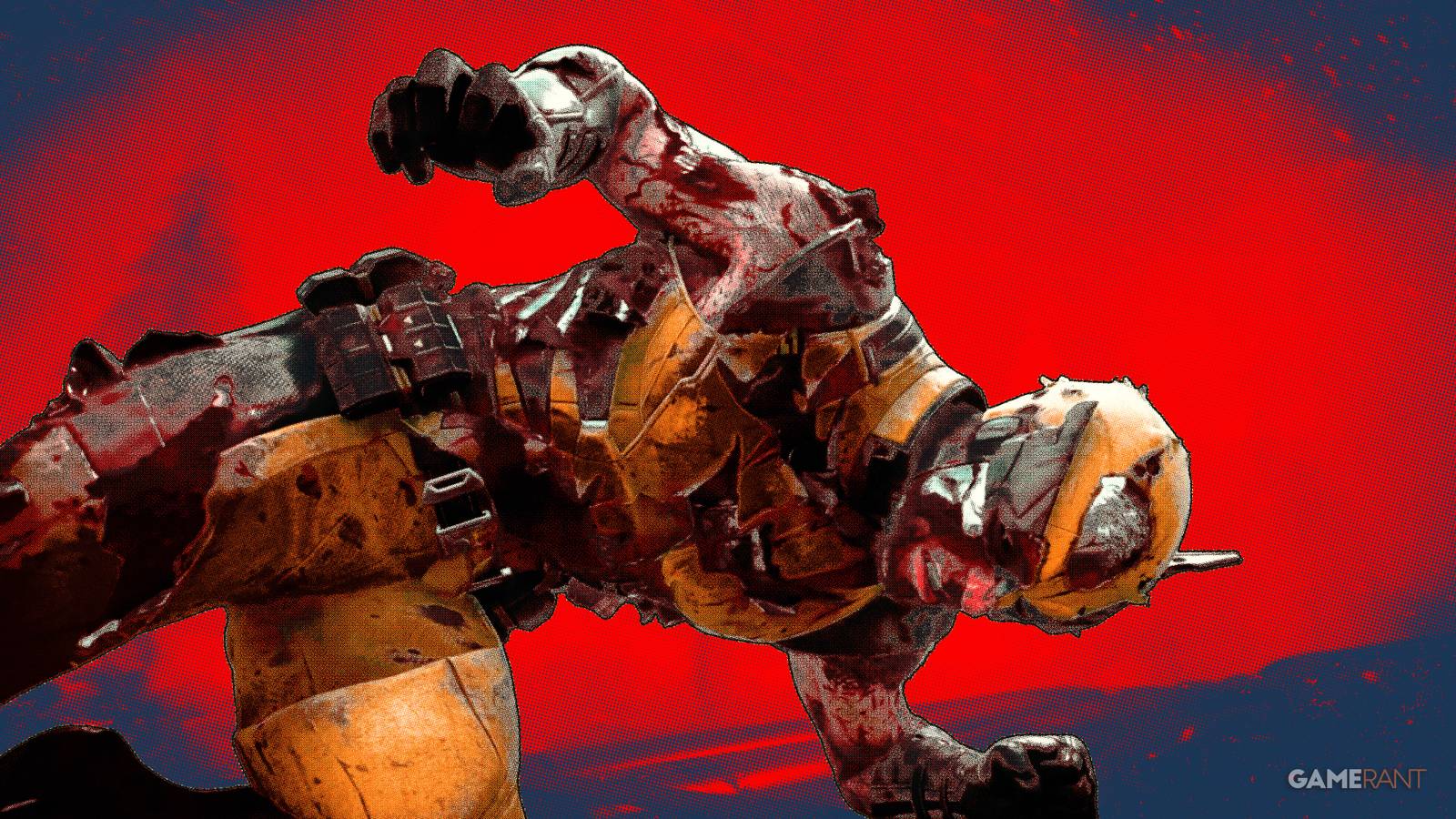
One of the coolest things about Wolverine is undoubtedly his healing factor, which allows him to quickly recover from almost any physical trauma, resist disease and poison, and age at a drastically slower rate. As such, Insomniac Games made the right choice by implementing it in their upcoming action-adventure game, Marvel's Wolverinenot just in the form of a cinematic nod to the superhero's incredible abilities, but as a fully functional gameplay feature that players can actually control themselves. But when Marvel's Wolverine was showcased in all its gory glory during June's State of Play, I couldn't help but notice something incredibly off-putting about Wolverine's costume that I haven't been able to stop thinking about ever since – and it's ironically, if probably unintentionally, linked to his healing factor.
June's State of Play was a good day for Marvel's Wolverinesimply because we've all been waiting for what feels like forever just to see some official gameplay for it. Questions about whether it would honor Wolverine's iconic brutality and rage-fueled gore (especially after 2017's Logan) and if it would be more than just Marvel's Spider-Man with claws pursued us all until that day. But for all the biggest questions it answered, from then on The God of War-style combat to its linear design, personally, I'm still left with the burning, lingering question, “How on earth does Wolverine's suit heal itself?”
Marvel's Wolverine's Suit seems to have a healing factor as well
If you're as picky as I am about these things, you've probably seen it too – whenever Wolverine heals himself in Marvel's Wolverinehis suit automatically repairs itself as well. I mean, if that's not the clearest example of video game logic, I don't know what is. But the thing is, you don't even have to look that closely to notice it. It's right there, in broad daylight, practically begging us to point it out.
Who is that character?

Identify the silhouettes before time runs out.
Start
This strange phenomenon occurs several times throughout the State of Play game Marvel's Wolverineand not just when players are clearly prompted by a QTE to heal Wolverine via his healing factor. But that moment alone is enough to warrant an admiring sneer and eye roll, as Wolverine is seen with numerous holes and tears in his suit, struggling to get back up after being knocked down by a boss. The player in charge of the PlayStation controller then heals Wolverine by repeatedly pressing Square until Wolverine stands up and charges at the boss with, you guessed it: a fully repaired, nearly pristine suit.
Up until that moment, Wolverine is shown in frequent combat encounters where he can be seen brutally mowing down his enemies, with each melee hit and shot visibly damaging his suit, as they should. Of course, this results in a lot of blood covering Wolverine from head to toe, and not just from his enemies either, as his own blood pours from stings and puncture wounds on his body from every attack that makes contact – wounds that are ultimately seen through the tears in his suit. But while it would still make sense for the occasional cutscene to show Wolverine's wound healing, it's just hilarious that it looks like he went home, pulled a new suit off the hanger, put it on, and then came back to the fight without missing a beat.
Did Wolverine's healing factor just let him heal his suit?
So I guess the question is, did I miss something? Does Wolverine's healing factor also allow him to heal his suit? Has Tony Stark somehow infiltrated Insomniac Games' universe and given Wolverine a self-repairing suit? However, the answer to these questions is probably no. Instead, once again, this is simple video game logic at its best, as fun as it looks.
Of course, I'm being a little sarcastic here with all of this, intentionally finding it humorous because, well, it is. I understand that requiring players to repair their color after every battle would probably cause significant pacing issues, for one thing. After all, there are probably a lot of players who want to see Wolverine's iconic look while playing and not some broken version of it. And I also understand that if Wolverine's suit didn't repair itself at some point, let's just say the game would have even more reason to be rated M.
While it would still make sense for the occasional cutscene to show Wolverine's wound healing, it's just hilarious that it looks like he went home, pulled a new suit off the hanger, put it on, and then came back to the fight without missing a beat.
I will also admit that this may just be a marketing gimmick and not indicative of the final product. This was, after all, a State of Play showcase and the first long chunk of official gameplay we've actually seen for Marvel's Wolverine. Insomniac and Sony certainly wouldn't want players' first glimpses of the game to be filled with Wolverine going back to base over and over again just to get his suit repaired. If that was indeed the case for State of Play, it makes perfect sense.
At the same time, I wouldn't mind Marvel's Wolverine including some feature that actually forced me to go get his suit repaired every now and then. One of the things I love about how a game likes Ghost of Tsushima deal with removing the visible aftermath of battle from Jin is that it at least makes it practical. In that game, you have to get in the water or walk through some tall grass to get the blood of Jin's enemies, or even the mud, off him. I would much rather have something that can be explained in Marvel's Wolverine than it relies on cheap video game logic.
In the end, this obviously won't be make or break Marvel's Wolverine– at least for me – and it might even be one of the things most players never think about when they're actually tearing through enemies like Logan. Still, it's the kind of fun little video game paradox that becomes impossible to see once you see it for the first time. Wolverine's healing factor finally being playable is just what Marvel's Wolverine needed, but unless Insomniac has some secret explanation tucked away, it looks like Logan's costume may have the strongest healing factor of all.


- Released
-
September 15, 2026
- ESRB
-
Mature 17+ / Blood and Gore, Drug Reference, Intense Violence, Partial Nudity, Strong Language, In-Game Purchases
- Publisher
-
Sony Interactive Entertainment
