For most, the playing time is the highest. Even though I do this for a living, my actual time playing games is very limited, so I have to be hyper-selective with the titles I play. Despite being a big Monster Hunter title, the Monster Hunter Stories series has never really caught on.
Its art style never really resonated with me, while its trailers always failed to grab my attention. Coupled with my lack of understanding of how the Monster Hunter Series, a series about beating giant monsters over and over and then cutting them apart for their materials, could be adapted into a light-hearted JRPG, meant I've long steered clear.
After 45 minutes with Monster Hunter Stories 3: Twisted Reflection at the Tokyo Game Show, there's a chance I could have been wrong.
An opportunity to delve deeper into Monster Hunter Lore

After playing Monster Hunter Stories 3, it's clear that the core of the series is ecology, and not just beating up aggressive monsters. It's about creating a world where humans (or other human races, like Wyvernians and Lynians) can coexist, ensuring that a delicate ecosystem remains balanced. The Stories series seems like a better vehicle for developing this narrative, a realization that came to me within less than an hour of playing the game.
The mainline Monster Hunter games tell a perfect story, but it's all just very stiff. You go out, hunt a monster, come back to camp, get the next story beat, rinse, repeat. I immediately saw how the freedom an RPG gives you helps move things along at a better and more engaging pace. Everything felt a little less rushed.
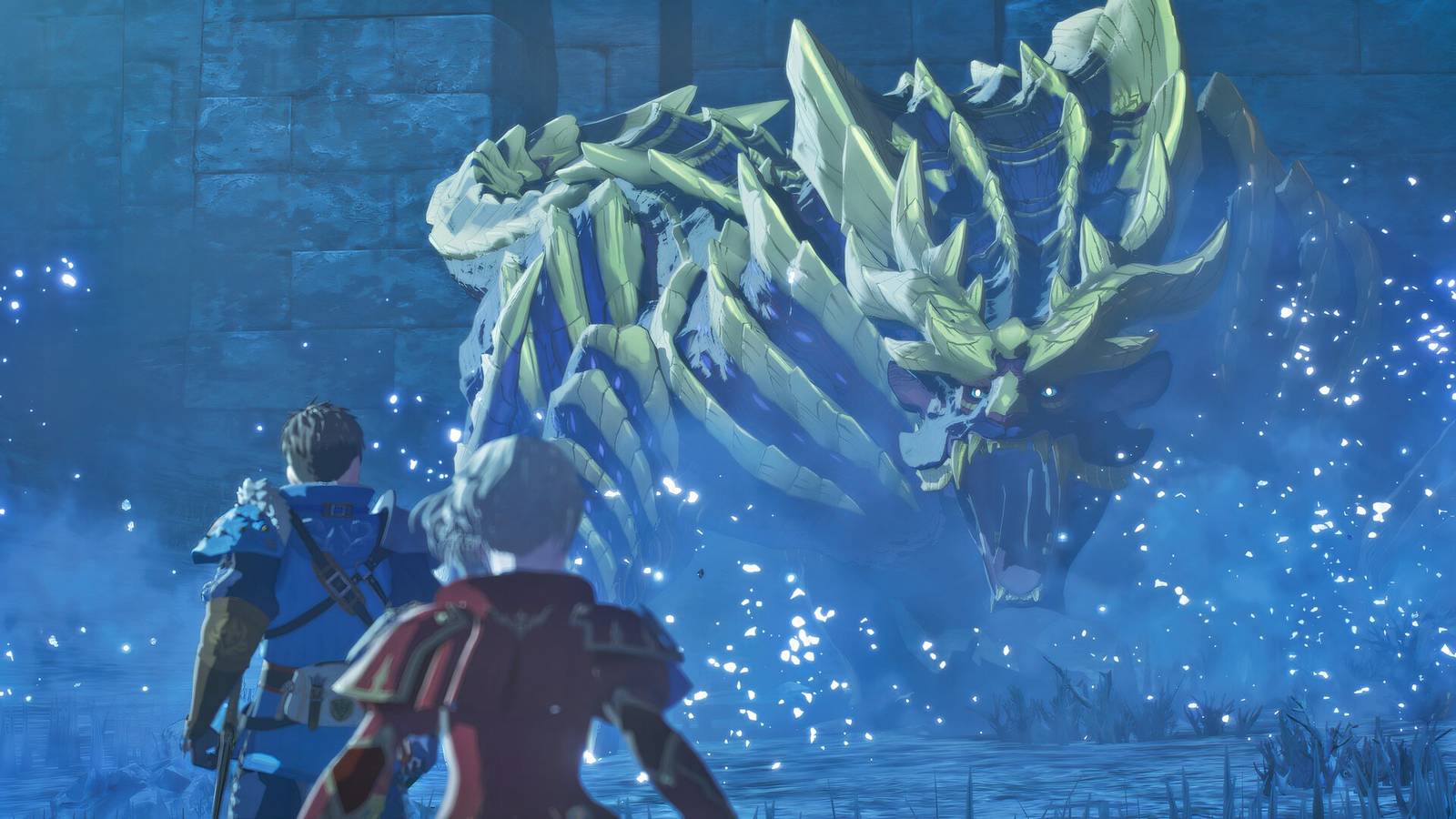
Twisted Reflection is the latest game to tackle an environmental disaster in the Monster Hunter world, with the Crystal Encroachment wreaking havoc on the countryside. It sees monsters covered in Blightstone, similar to the frenzy virus, which alters the creature's biology and makes it more aggressive. This, combined with the ominous birth of the twin Rathalos, is what propels the protagonist forward.
Twisted Reflection's combat mechanics were unfortunately the weakest part for me.
While I did get to engage a bit with the story, much of my time with the game was spent in combat, tinkering with Twisted Reflection's combat mechanics, and this was unfortunately the weakest part for me.
Instead of typical JRPG fare, where you can choose from a range of moves to damage your opponent, Twisted Reflection relies on a rock, paper, scissors mechanic. If you win, you damage your enemy; if you lose, you take damage; and if you draw nothing happens. This works well in SRPGs like Fire Emblem, but in a JRPG like this it lessens the effect.
I want to dive into the details of my monsters, equip them with the best moves for battles, and really get into the nitty-gritty of it all. This system does not allow you to do that. Of course, Monster Hunter's traditional elemental damage is there, but it's still entirely dependent on you winning your matchup with rock, paper, and scissors.
The game tries to spice things up by adding Double Attacks and a Synchro Rush, which can be used when a monster is staggered, but the shallow nature of its standard combat mechanics makes these much less engaging.
Monster Hunter Stories is growing up

One of my biggest issues that kept me from playing the Monster Hunter Stories games was how childish they looked. In my mind, at least visually, it was the baby's first MonHun, but it seems to have grown up a lot in Twisted Reflection.
The Monster Hunter Stories team recently touched on how they planned to make the game appeal to an older audience in an interview with Japanese outlet Game Spark, and it's something I could feel here.
Just comparing the protagonist of Stories 3 to its predecessor is proof enough of this, with chibi, child-like characters replaced with more JRPG-like ones, but the themes, and even the name, Twisted Reflection, exudes a bit more maturity, even if it's not as cool as the Japanese title The Fated Twin Dragons.
Note: It's just a shame the combat system doesn't match the other, more engaging elements.

Monster Hunter Stories 3, or the other two games for that matter, will never scratch the itch that the mainline Monster Hunter Games do, but I now understand how, much like humans and monsters, they can co-exist alongside each other.
They offer the chance to delve deeper into the series' fascinating lore, without being so overtly aggressive, and if time permits, and I can shake off the small doubts I have about its combat, I might just check this one out when it launches next year.
