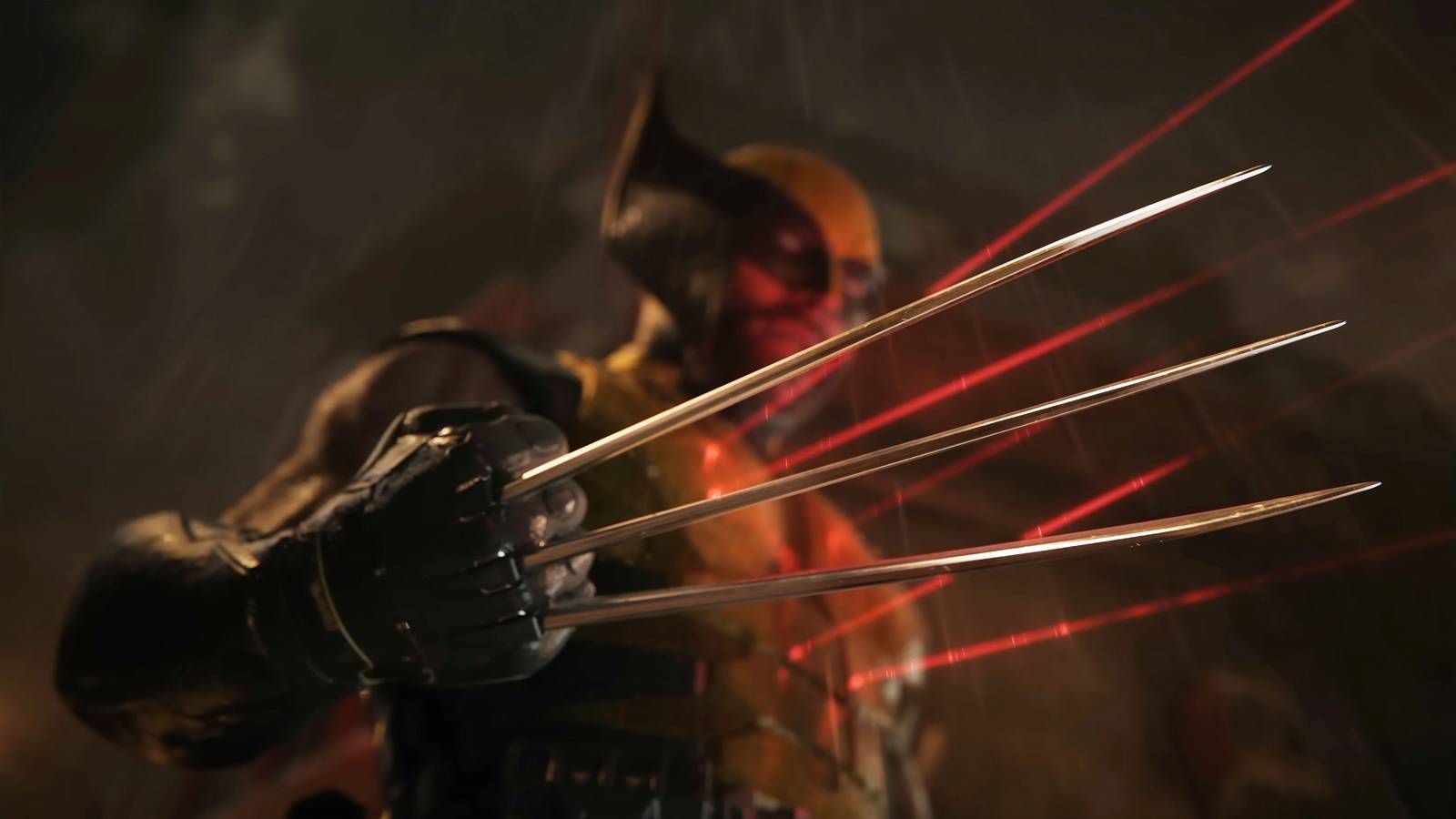
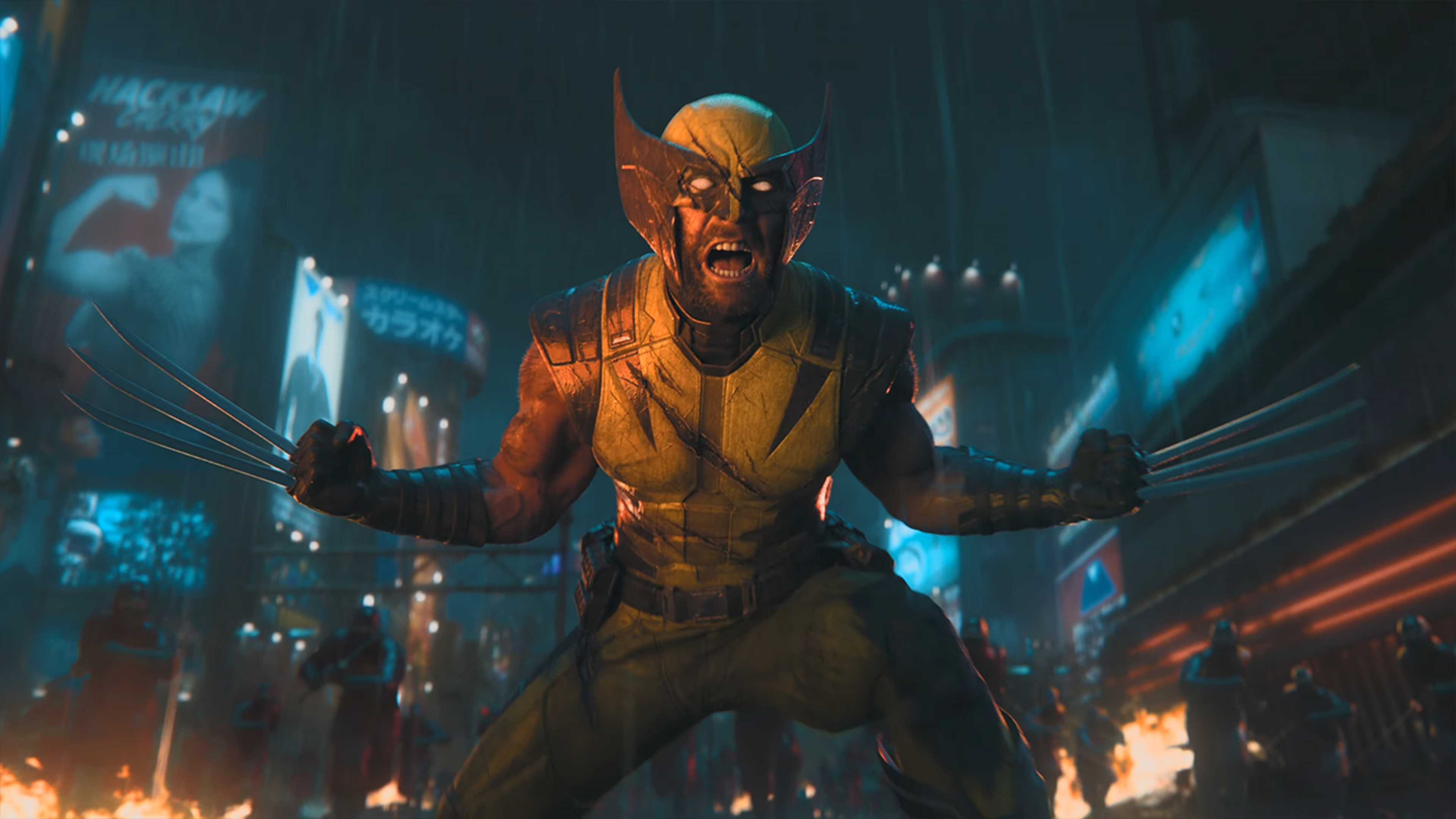
Obviously, I'm not here to suggest that we can't be mad at PlayStation, because of course we are allowed to be. The brand's decision to pursue an all-digital future and eventually end production of physical game discs is incredibly hard to take, and I'm not going to pretend that it's something to be taken lightly. In fact, this is one of the earliest signs that gaming as we've known it is coming to an end, so that the digital age we've already accepted can embrace everything to its fullest. It's a painful reality to embrace, no matter how much we've both willingly and ignorantly embraced it up to this point. But no matter how upset we are at PlayStation for being one of the first in the gaming industry to officially move into this future, it's okay to still love and look forward to games that Marvel's Wolverineeven if they have Sony's name attached to them.
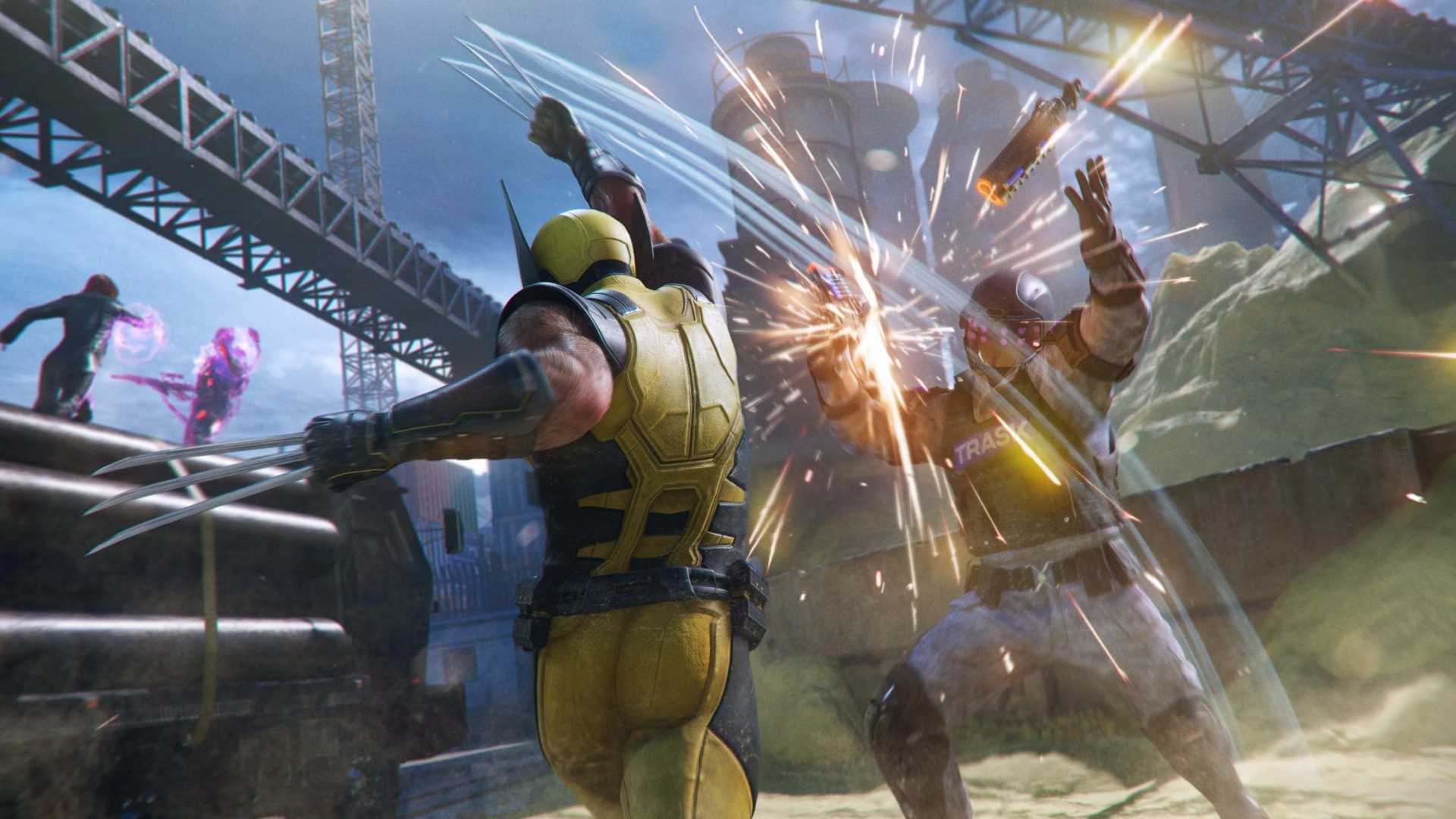
I say this because there seems to be this idea out there that you can't like anything made by PlayStation now, and that includes highly anticipated games like Marvel's Wolverine. By principle, you're expected to follow the herd and boycott PlayStation in all forms, even if that means completely refusing to buy the games you were really interested in playing before all this mess happened. But the truth is, you and I can be excited about what Insomniac Games is doing with the iconic clawed mutant and support the developers who spent years making the game, while believing that Sony is taking away an important form of ownership and consumer choice. Both of these philosophies can coexist, and if we really want to see PlayStation at least come to some sort of compromise, they desperately need to coexist.
PlayStation's decision was not random, but calculated
-
-
-
 Image via Insomniac Games, Marvel
Right now, there seem to be three crowds: the “no disc, no purchase” crowd, the “I'm boycotting PlayStation” crowd, and the crowd that doesn't speak up because, quite frankly, they don't care – they just want to play video games. Two of these crowds are good. “No disc, no purchase” makes sense, but within the realm of personal preference, as refusing to buy a game if it doesn't have a physical disc isn't actually going to stop PlayStation from pursuing its all-digital future. The crowd who don't really care what PlayStation chooses to do with their games because they'll buy and play them anyway are justified in their position as well, and the reasoning goes without saying.

Place the brackets in the correct order.
Start
But those who are currently boycotting PlayStation because they think it will convince the brand to change are, frankly, out of the question. PlayStation's decision was not hasty, and it more than likely knew that announcing it would cause huge controversy. It wasn't a meeting where some random board member had this crazy idea to kill physical media and everyone agreed. This decision was no doubt made after PlayStation began evaluating consumer patterns (as any successful company does), and what they saw was that physical game revenue had been trending downward, and could therefore be rendered irrelevant to increasing overall revenue by eliminating the cost of physical disc and packaging production, as well as distribution.
“No disc, no purchase” makes sense, but within the realm of personal preference, as refusing to buy a game if it doesn't have a physical disc isn't actually going to stop PlayStation from pursuing its all-digital future.
At the end of the day, it's simple math. Is it fun math that results in a light-hearted answer? No. But it's math that every business has to do to make money and keep their staff employed. What I'm trying to say is that we all had a part in PlayStation's move towards ending physical game production, whether we think we did or not. Maybe you've never bought a digital game before, so sure, you're forgiven for that guilt. But each of us as individuals are not the only people in the world who matter, and, understandably, corporations tend to cater to the majority, not the individual.
-
-
 Image via Sony
 -
 Image via Insomniac Games
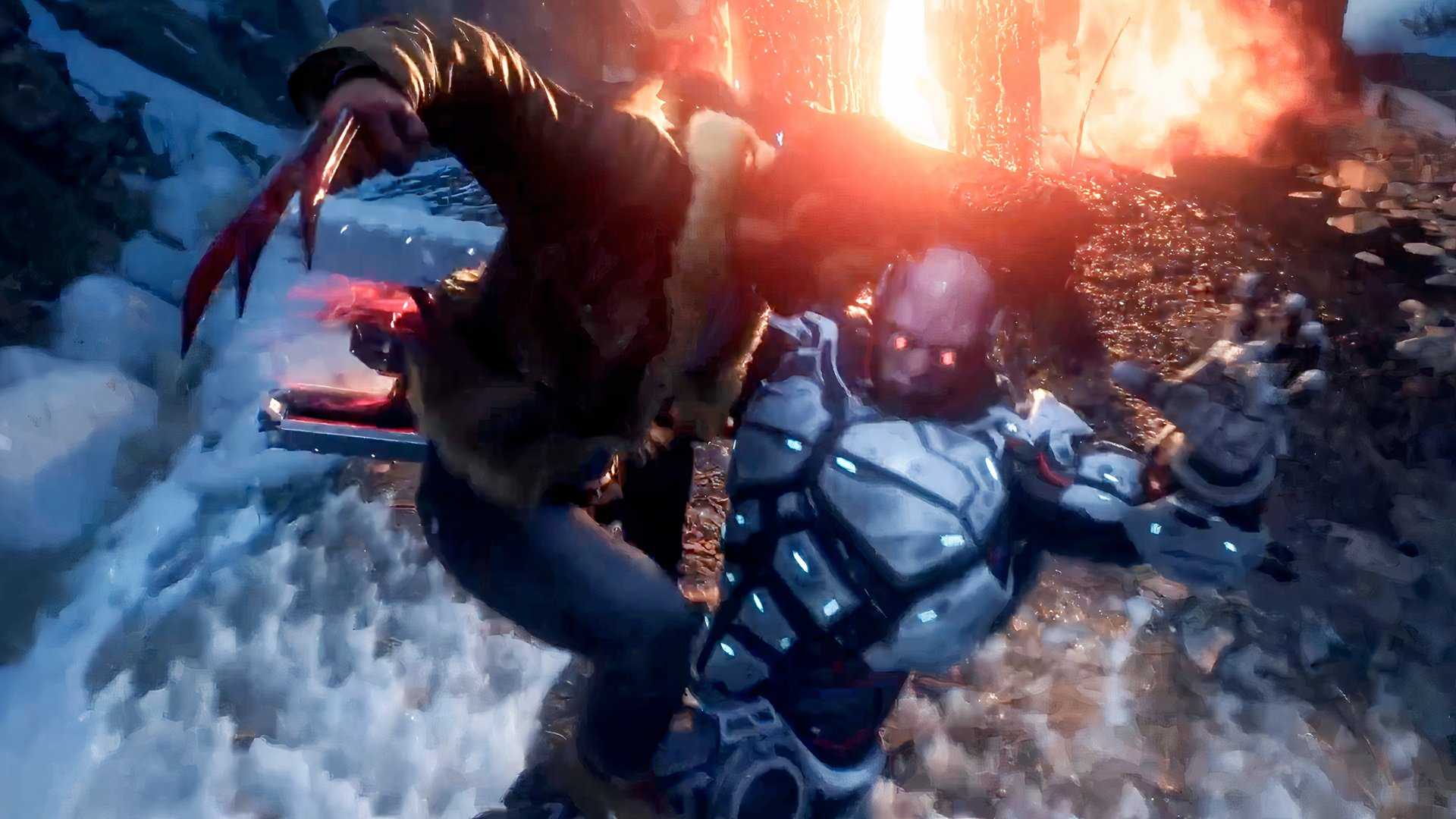
So the reality, as hard as it may be to accept, is that we will have to accept it at some point, and many of those who currently say they will never accept it will eventually play Marvel's Wolverine because they want to play Marvel's Wolverine. Then there's the fact that people just tend to say things on the internet that they don't even mean, simply because they think it sounds cool and relevant, while picking up their DualSense controller every night and playing their favorite PS5 game. It's hypocrisy at its best for a fleeting moment of relevance, and what's worse is that many of these voices don't consider the fact that a full, successful boycott of PlayStation (which is extremely unlikely) would have the opposite effect that they think it would.
A successful boycott would have the opposite effect
If the goal is to prove that physical games still matter, a refusal to buy one of PlayStation's last major physical releases might actually help prove otherwise. Sony won't be looking at lower sales either Marvel's Wolverine and automatically conclude that people are protesting the end of physical media. It might as well see weak physical sales as further evidence that discs are no longer worth producing, while those who worked on the game have to deal with the consequences of a protest directed at executives far above them.
A successful boycott would not magically make physical production profitable again. That would more likely lead to reduced investment, canceled projects, layoffs, or an even faster retreat toward the parts of the business that Sony believes will make the most money. And then the same people at PlayStation screamed like it was the brand's fault Marvel's Wolverine didn't succeed or people got fired and stayed anchored in the ignorant idea that they had nothing to do with it.
Sony will permanently cease production of physical game discs for all new PlayStation titles from now on January 2028. After this date, new games will be strictly distributed digitally via the PlayStation Store and via retailer cards. This transition only affects new releases.
The only possible outcome short of this new digital era becoming a full-fledged reality is that PlayStation would eventually reach a partial compromise – but not a complete capitulation. Sony could theoretically license physical production to specialist companies, allow limited collector's editions, extend the deadline for certain markets, or preserve discs for larger releases while moving smaller games entirely online. These options would allow Sony to acknowledge demand without abandoning its broader digital strategy, but it would still be just another stepping stone towards the inevitable future that some of us still believe is evasive.
The campaign to boycott PlayStation to its strongest possible effect could therefore make the physical audience look commercially valuable enough for Sony to retain some sort of physical alternative. For that to happen, however, the movement would need more than viral comments about one Marvel's Wolverine trailer. It would take permanent subscription losses, major retailers and publishers applying pressure, competitors taking advantage of Sony's decision, or credible evidence that digital-only hardware will cost PlayStation future customers. But it's an incredibly long task that, I'm sorry, most people would probably be willing to bypass in exchange for the convenience of “add to cart” and “download” buttons.
If you really want to fight the PlayStation, buy Marvel's Wolverine on disc
-
 Image via Insomniac Games
 -
-
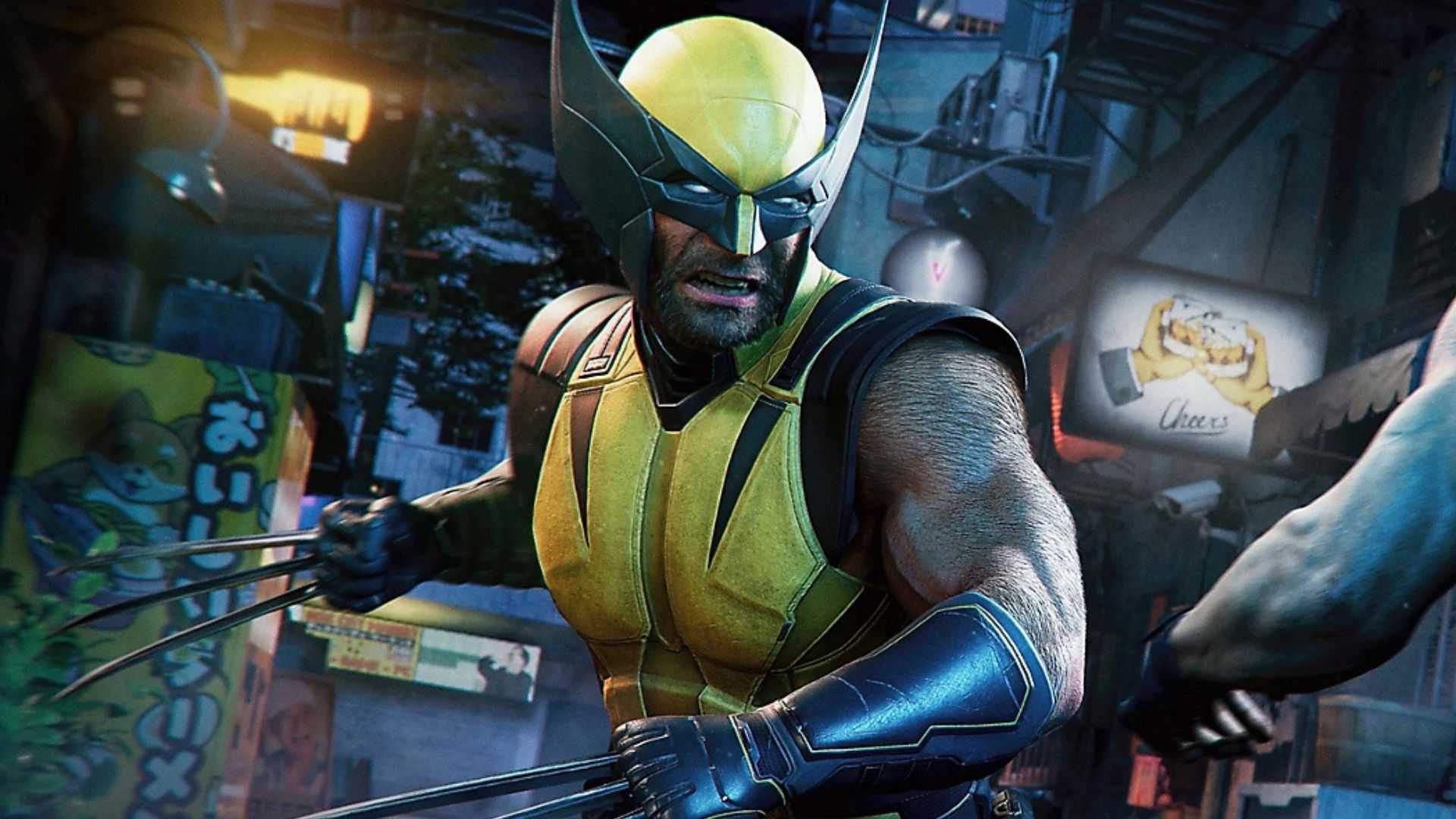
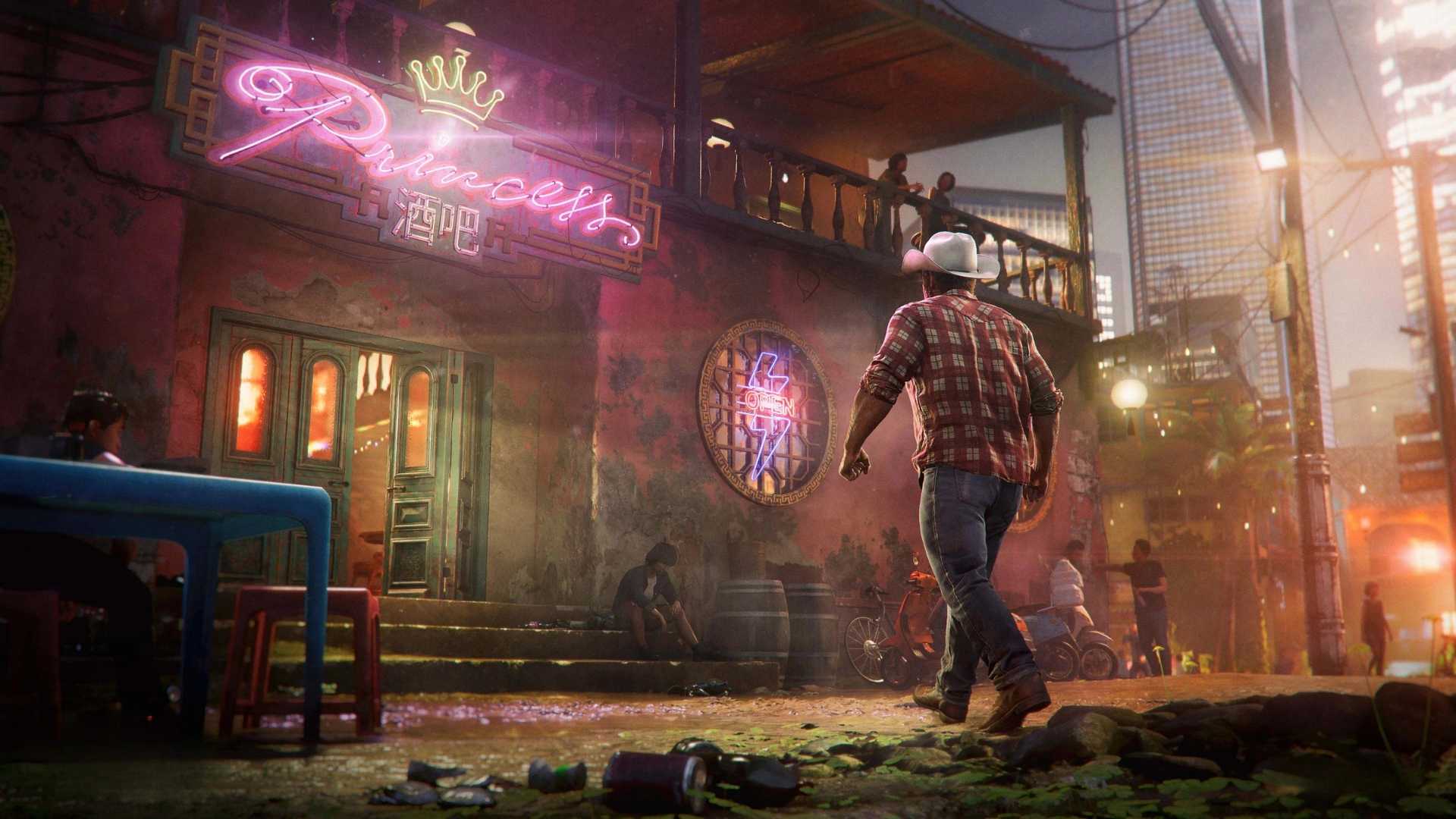
If we really want to see physical game media preserved for as long as possible, then the best option we have right now is not to boycott PlayStation entirely but to buy as many of their games on disc as we can. Buying Marvel's Wolverine physically sends a much clearer message than flooding your trailer with angry comments or refusing to support it without explaining why. It gives PlayStation actual sales data that shows people are still willing to spend money on physical releases, which is the kind of evidence a company is much more likely to listen to than another online promotion that fizzles out when everyone finds something new to get excited about. It might not convince Sony to completely abandon its digital plans, but it could help make physical production worth preserving in some capacity, and it's a much more realistic goal than expecting the company to reverse years of consumer trends because a hashtag gained traction.
The campaign to boycott PlayStation to its strongest possible effect could therefore make the physical audience look commercially valuable enough for Sony to retain some sort of physical alternative.
None of this means we have to smile and pretend PlayStation's decision is a good one. We can criticize Sony, cancel subscriptions, buy from its competitors, and keep reminding the company that physical ownership is still important, while realizing that Marvel's Wolverine was made by developers who had nothing to do with this decision. Loving the game doesn't make anyone a hypocrite, just like being mad at the PlayStation doesn't mean we have to deprive ourselves of something we've looked forward to for years. Both sentiments are valid, and perhaps the most productive response is to let Sony know exactly where we stand when we buy Marvel's Wolverine in the format we ask it to preserve.


- Released
-
September 15, 2026
- ESRB
-
Mature 17+ / Blood and Gore, Drug Reference, Intense Violence, Partial Nudity, Strong Language, In-Game Purchases
- Publisher
-
Sony Interactive Entertainment
