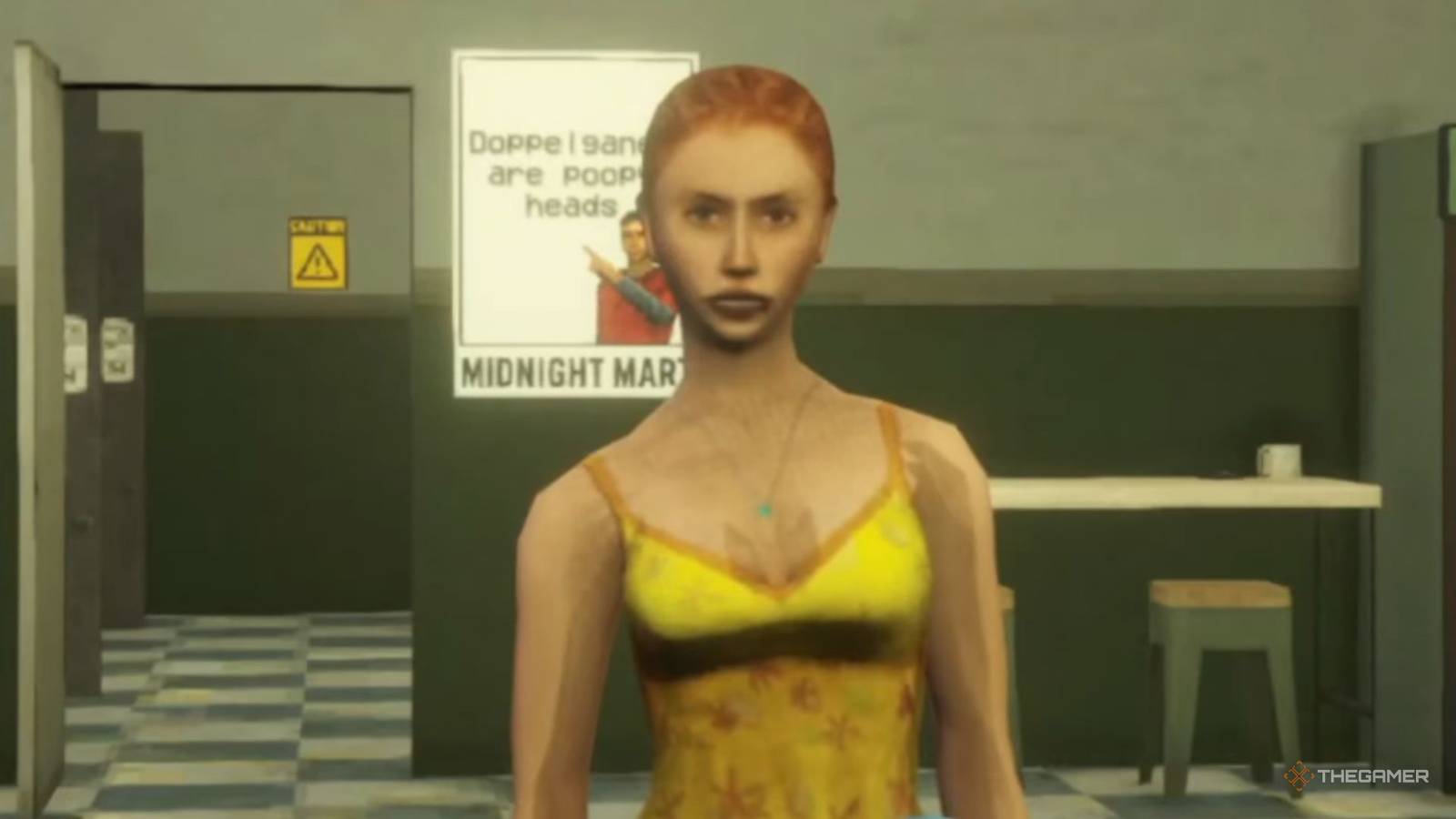
The night shift at a gas station sounds pretty cool until your customers start trying to attack you. IN Shift at midnightyou are basically a part time cashier and professional detective with suspect. Each customer can be perfectly fine, or they can be a creepy copycat waiting for the perfect moment to ruin your night.
Between checking details and trying not to panic when things get weird, it takes more than good customer service to survive the shift. Here's everything you need to know about doppelgangers and how to identify them in the game.
What are doppelgangers?

Doppelgangers are creatures that masquerade as ordinary customers. They appear human and can often pass a quick inspection, but their goal is to trick you into serving them before revealing their true nature.
If you fail to identify a doppelganger, you must survive the entity by quickly preparing the store, blocking entrances with wooden boards, placing traps and hiding in vents or moving around the building until it leaves.
Unlike regular customers, Doppelgangers often contain small inconsistencies that reveal their disguise. These mistakes may appear in their personal information, appearance, responses, or behavior. A customer may give an incorrect occupation, have an ID that does not match the database, or show strange reactions that do not fit the situation.
The challenge is Doppelgangers are not always obvious. Some will behave almost perfectly, meaning you can't rely on a clue to identify them.
Once you've confirmed someone is a doppelgänger, don't complete the purchase. The game rewards you if you remove the threat before the payment is processed.
How to spot doppelgangers

Finding doppelgangers requires paying attention to small details. Use the table below to identify the most common signs that a customer may not be human:
|
Sign |
What to look for |
How to confirm |
|---|---|---|
|
Identity information |
The customer's name or personal information does not match what is on their ID, especially if they are alive or not. |
Scan their ID card or manually search for their name in the NET database |
|
Imbalance in the profession |
The client claims to have a different job than what their official records show |
Ask about their occupation and compare their answers with the database |
|
Profile description |
Small details about the customer don't match, like regular purchases |
Check the Description box in the .NET database for habits |
|
Appearance differences |
The customer's physical characteristics or clothing do not match their registered profile |
Compare their appearance with the information in their customer records |
|
Unusual behavior |
The customer moves strangely or behaves differently from normal shoppers |
Watch how they interact with the store and ask questions if their actions seem suspicious |
|
Emotional inconsistencies |
Their emotional reading does not match their words or actions |
Use the emotion detector as a warning sign and then verify with other evidence |
|
Vehicle information |
The customer's vehicle details do not match their records |
Check the license plate number when the feature becomes available (gas station unlocks) and confirm ownership |
