Since bursting onto the international anime scene in 2019, Demon Slayer has maintained its popularity with ease. In addition to boasting over 220 million manga copies sold, its latest film, Demon Slayer: Kimetsu no Yaiba – The Movie: Infinity Castlegrossed nearly $800 million worldwide, becoming the second-highest-grossing traditionally animated film of all time. Its action sequences, fluid animations, and engaging plot have done much to catapult it to the upper echelons of anime history, but at the end of the day, its characters are its lifeblood, with fans connecting with many of Demon Slayer's cast, from heroes to villains.

Demon Slayer: 7 Best Episodes, Ranked
These are arguably the best Demon Slayer: Kimetsu No Yaiba episodes to date.
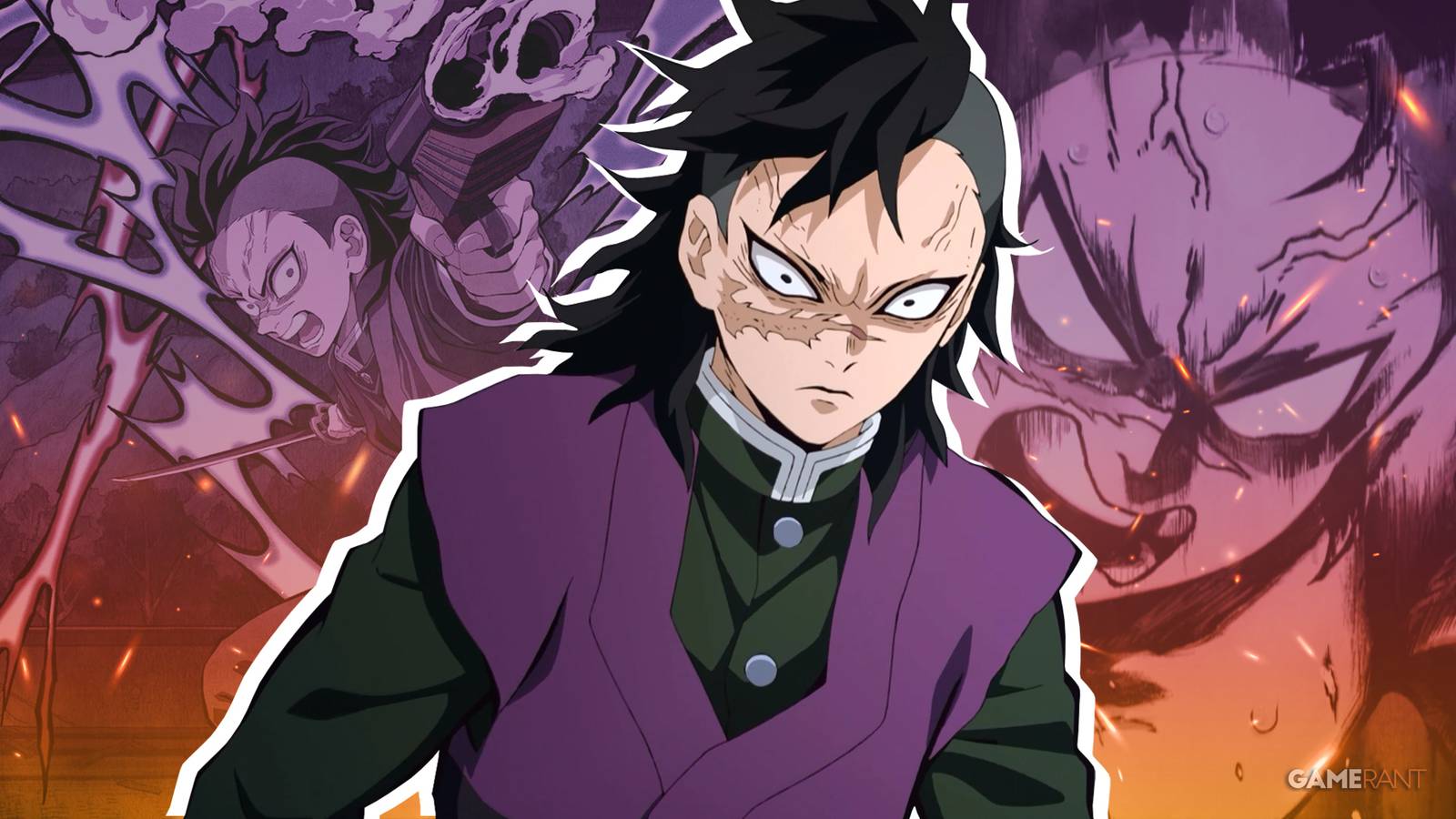
Although not often ranked high in popularity polls, Genya Shinazugawa is one Demon Slayer character who has a powerful lesson to teach, although his initial off-putting demeanor makes it hard to connect with him easily. His loner mentality makes him very different from the energetic and friendly protagonist Tanjiro, but there is a reason for his chosen solitude, and it's one that many viewers picked up on when it was finally revealed in the show's third season.
A hard childhood does not often lead to an easy adulthood
A Dual-Wielding Demon Slayer in the Demon Slayer Corps, Genya is the younger brother of Sanemi, Wind Hashira. His initial introduction to the series is not entirely positive, as his seemingly permanent bad temper and lack of manners did not immediately make him a fan favorite addition. Working together seemed completely beyond him, and viewers' anger peaked when he grabbed Kanata's hair and yelled at her during Final Selection, simply because he was impatient. From provoking Tanjiro to verbally assaulting many other characters, patience was wearing thin with Genya. But when introduced to the horrors of his past, many fans decided to give him a second chance.
It turns out that Genya and Sanemi's father, Kyogo, was far from supportive. Cruel and aggressive, he often abused his wife, Shizu, and children for what seemed to be no reason, and also chose to harm others he considered lesser. Eventually this bad behavior caught up with him, and he was stabbed to death by those he had injured. While this brought a sort of peace to his family, it also meant the loss of their income, which led to even more hardship, just in a different sense. During this period, Genya took care of her family and strived to be a good role model and take care of her mother along with Sanemi.

7 Demon Slayer Characters That Would Have Made A Better Final Villain Than Muzan
These Demon Slayer characters could not only have replaced Muzan as the final villain but also surpassed him.
One day, Shizu is late returning home, and when she arrives, she breaks into the house with incredible speed and strength. After turning into an uncontrollable demon, she killed several of her children instantly, while scarring Genya's face. Unaware that he had been attacked by his mother, Genya is shocked when Shizu is defeated by his brother Sanemi, condemning him as a murderer and finding it impossible to cope with the unfathomable loss.
The regret of not being able to save his siblings, along with the lasting scars from his father's abuse and the subsequent abandonment of his own brother, took their toll. While he seemed to blame Sanemi for Shizu's death, in truth Genya blamed himself, and although he eventually forgave Sanemi for what happened on that fateful day, such wounds are not easily healed. When the pair reunite during Hashira training, he tries to apologize for his harsh words, but Sanemi is not quick to accept. Anger is easily born from frustrating circumstances, but it's an emotion that doesn't need to fester or rot—it can, under certain circumstances, act as a catalyst for positive change.
Maybe the power of friendship isn't a cheesy feeling after all
It is an impossibility to live completely alone, cut off from all other people. When you consider what people are capable of, whether it's betrayal, heartbreak, or something else entirely, it's clear why Genya's confidence began. Demons can be dangerous enemies, but humans are often dangerous in a less tangible way. The demon slayer's fear of loss, his fear of being hurt, and his lack of confidence in his strength made his decision easy to follow the rocky path that was his childhood years. But when he met Tanjiro, his paths diverged, whether he realized it at first or not. Letting others in is risking some pain, but it's a risk that must be taken if we want to grow, heal, and live a life worth living.
After coming together to take on a common enemy, Genya saw the positives that could come from camaraderie on and off the battlefield, though this proved to be a hard lesson learned. At some point, anger reaches its upper limit, and when there is nowhere to go, it can begin to deflate, like a neglected balloon. Self-loathing and loneliness gets old, and seeing what lay beyond that was all it took for Genya's rough demeanor to begin to crack. Genya slowly begins to outwardly care for Tanjiro and those he fights alongside, even sharing laughs and training side by side. Thriving after a painful upbringing is far from easy, but it's also far from impossible, and that's the powerful lesson that Genya's character teaches as Demon Slayer progressing.

Drag weapons to fill the grid
Start
Drag weapons to fill the grid
EasyMediumHard
Lots of anime show the power of friendship, and while it may sound like a silly platitude rather than concrete advice, it's worth internalizing. Opening your heart to true friendship also opens countless doors, from self-love and acceptance to a sense of safety and warmth that isn't easy to find alone. In Genya's case, anger at his circumstances was given the chance to develop into something positive because of his interactions with others. His growth as a character isn't absolute, and he sometimes slips back into old habits, but that's not a sign of failure. We become who we were meant to be over time, and that process is messy and unpredictable. Having friends to face the hard times with can make it worth it.
