Horror is a genre that has been around since the early days of gaming, and it's very clear that games these days are drastically different from those near the beginning. There are so many iconic franchises that have been integral to the development and success of the genre, but the most important is undoubtedly Resident Evilwhich fundamentally changed the horror landscape for the better and made it much more mainstream than ever before.

Horror game that uses the player's microphones
Using the player's microphone in games is a great way to increase immersion and tension in horror games. Here are which titles did the best.
But with so many different types of games spanning the last 40 years, it's pretty hard to give Capcom's headliner all the credit. Many horror tropes, mechanics, ideas, and entire subgenres have been created as a result of a single title or series that was willing to go above and beyond to try something new, and the impact of those games is still felt within the industry all these years later.
PT
Cutback too soon
Details:
-
Revolutionary limited loop
-
Countless titles inspired by a single demo
PT is one of the most influential horror games ever created, despite being a short, now unplayable teaser. Its power came from the extreme restraint of the game loop, which revolved around a single corridor, repeated ad infinitum, that would slowly change through subtle changes that built the tension in a much more gradual way. Instead of relying on enemies or combat, the game weaponized anticipation and uncertainty, forcing players to question what had changed and what might happen next.
Adding to the creepiness were the photo-realistic graphics and tremendous attention to detail that made every creak and shadow feel like it was coming right off the screen. Its legacy reshaped modern horror design almost overnight, spawning countless games like Countenance and Layers of fear which directly echoes its looping environments and slower-burning yet deeply unsettling style.
Silent Hill
Horror's second crown jewel
Details:
-
More psychologically driven
-
Darkness and fear over jumpscares
Silent Hill feels like the other side of the horror coin that has had as much influence on the genre as the titan that is Resident Evil. The game established a psychological horror plot that differs from Capcom's survival focus, and instead of relying on jump scares or grime, it used fog, darkness, and sound to evoke fear that never really left the player. Interestingly, the technical limitations at the time actually became strengths used to obscure vision and further disorient the player, things that would later be adopted by many other games in the genre.

The 10 best horror games of 2025
This year had some excellent horror titles, and here's Game Rant's official list of the best entries in the genre for 2025.
Also, the monsters were not just enemies but symbolic reflections of inner trauma that became far more memorable than just waves of creatures, and the story itself encouraged players to investigate and interpret things rather than explaining things out in the open. This approach changed the way horror stories could work in games, and its impact is visible across decades of psychological horror titles that prioritize mood, symbolism, and emotional turmoil above all else.
Survive
Nothing but a video camera
Details:
-
Visceral and realistic
-
A wave of titles focused less on combat
Survive helped redefine modern horror by removing combat altogether and thrusting players into a horrific environment with nothing to save them. Players are powerless, forced to run and hide, observe as they navigate a nightmarish asylum with seemingly no end. The video camera mechanic links limited visibility to danger, as exploration itself becomes a stressful cycle that keeps players on their toes, no matter how many batteries they have in their pockets.
Each encounter becomes a test of nerve rather than skill, shifting fear away from mastery of mechanics and towards pure survival. The success of the game sparked a wave of first-person horror titles built around vulnerability and hunting mechanics, giving players a different kind of experience where the only hope is to keep going. It's also a great example of how to do gore right in a game, because while there are certainly some segments that are played for shock value, the viscerality and depiction of the violence is so good that it never feels unnecessary or too far into the realm of the absurd.
Five Nights at Freddy's
A horror revolution
Details:
-
Mascot horror progenitor
-
Countless sequels, spin-offs and other franchises
Five Nights at Freddy's showed how minimal design could create an overwhelming sense of excitement within the game world. Confined to a single room, players must manage cameras, doors and limited power while listening for subtle audio cues and keeping track of creepy animatronics that are less than happy to be watched. The fear comes in the form of stress, as after multitasking under pressure, players quickly feel exhausted from the constant anticipation of a potential jumpscare.
In addition to the game, FNAF transformed horror's relationship with internet culture and opened the doors for a wave of mascot-based franchises to suddenly gain favor. Its cryptic storytelling encouraged community theorizing and led to countless videos and pieces of content that continue to garner attention all these years later. In addition to this, the game brought a viral element to the genre that introduced a younger generation to horror, expanding the genre's reach and showing that there is much more to scares than just blood and gore.
Alone in the dark
Give the genre a third dimension
Details:
-
3D characters in pre-rendered environments
-
Genre commercials such as resource limitation and environmental narratives
Alone in the dark laid the foundation for survival horror years before Resident Evil. It introduced 3D characters in pre-rendered environments, cinematic camera angles, puzzle-focused exploration, and an emphasis on vulnerability fueled primarily by its attention to atmosphere, creating a slower, more conscious horror experience.

5 forgotten horror games that deserve to be rediscovered on Game Pass
For Game Pass subscribers, these horror games never got the love they deserve, but now they can (and should) be played on Xbox's streaming platform.
The game's influence in many ways is structural rather than stylistic. Many genre promoters, such as limited resources and isolation-based tension, harken back to the game and its iconic world. Although primitive by modern standards, Alone in the dark established the language that survival horror would speak for decades, and without it the genre as it is known today might simply not exist.
Dead Space
Pioneering in the Sci-Fi Space
Details:
-
More action in a futuristic setting
-
Common use of diegetic HUD
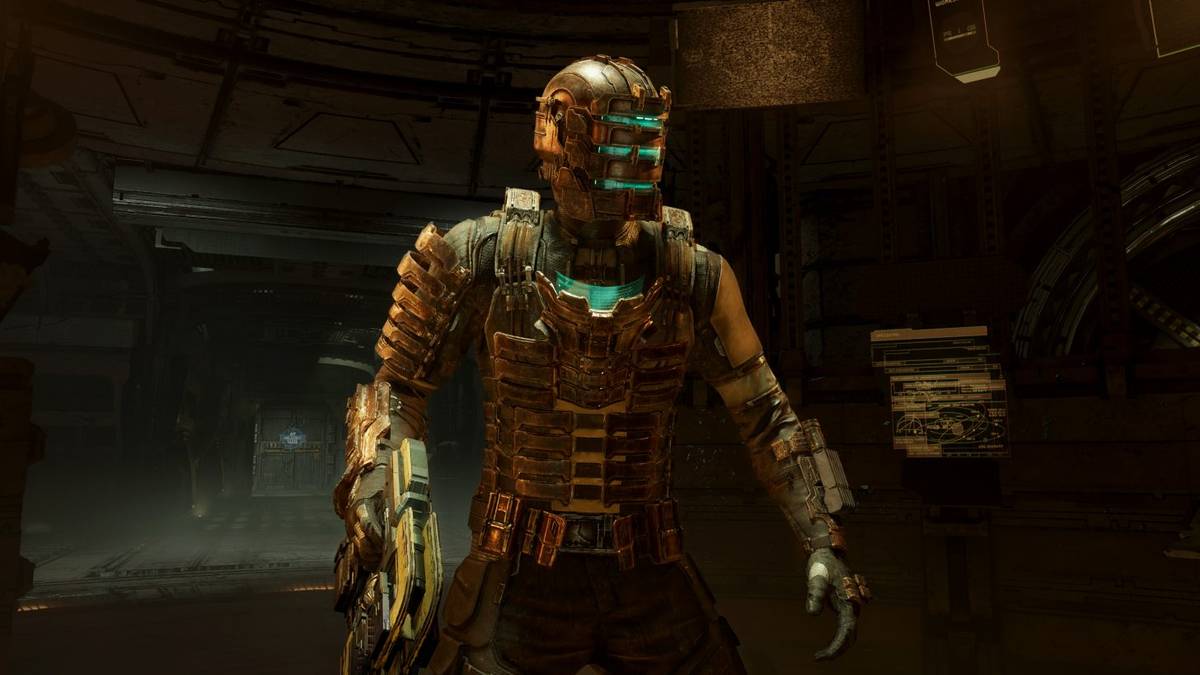
Dead Space bridged the gap between classic survival horror and sci-fi, proving that the genre could evolve technologically without losing its fear. Set aboard a grotesque, decaying spaceship, it mixed an intense atmosphere with methodical combat that forced players to carefully observe their surroundings for possible exits or entry points for the creatures. The combat itself is perhaps what the game is best known for, as limbs could be strategically dismembered and removed to elevate simple action sequences into genuine moments of thought.
Equally important was how it handled basic elements like the HUD. Diegetic UI is not a new concept in the gaming world, however Dead Space integrated it perfectly by having virtually every bit of information attached to either the player themselves or an item they were holding, giving it an unparalleled sense of immersion rarely seen today. Other technical aspects, such as the sound design, elevated the entire experience into a terrifying psychological battle that players must constantly fight in their minds. But most of all, the game showed the world how sci-fi horror can be just as terrifying as ghost stories or zombie outbreaks, leading to the charge of such greats as Exchange, SOMAand more recently, ROUTINE.
Belfry
The beginning of the unstoppable stalker
Details:
-
Point-and-click mechanics with much more depth
-
Constant flight with no way to fight back
Belfry introduced one of horror's most enduring concepts, as the unstoppable stalker that would become a staple mechanic in many games in the genre, including Resident Evil. Armed with no weapons, players must escape and outwit the relentless Scissorman, creating fear not from constant combat, but from the lack of certainty of when the hunt will end.
This design philosophy shaped countless future horror games, from Amnesia to Alien: Isolationand showed many players that a single constant threat was often the most terrifying. The focus on vulnerability and pure panic over power established a trend where fear became the driving force within some games and where running was seen as a real tool for survival, rather than a last resort.

8 forgotten horror games that deserve to be rediscovered on Steam
From the latest horror that gets overlooked to games from the long-forgotten past, Steam has a huge range of options to choose from.
