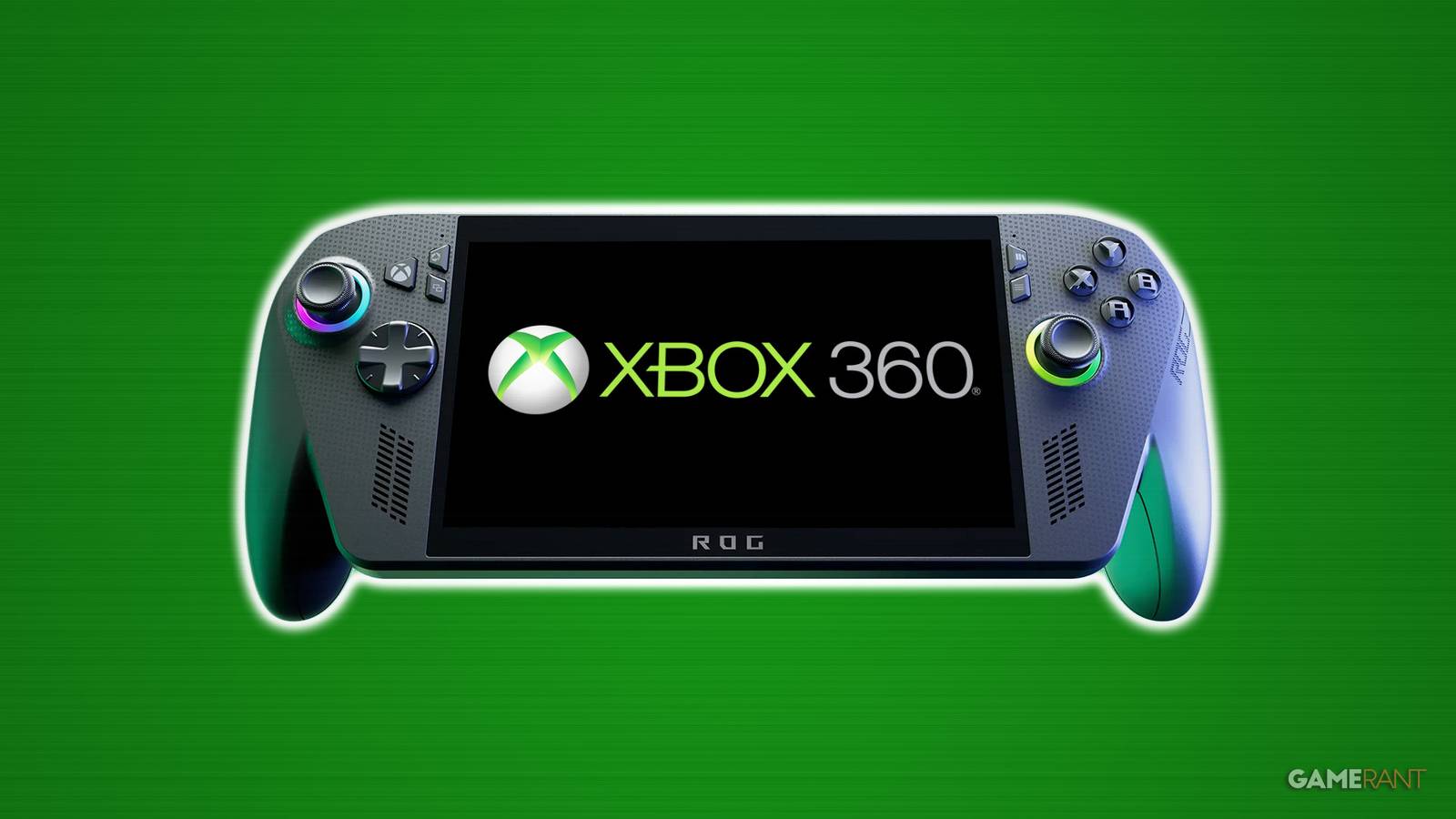
Microsoft is reportedly looking into backwards compatibility for Xbox 360 games on Windows, which could extend to Windows-based handhelds like the ROG Ally series, as well as the company's next-gen console. That's according to a well-known leaker who also shared additional details about the alleged Xbox initiative.
Microsoft actively invested in Xbox 360 backwards compatibility throughout the Xbox One era, regularly releasing updates for its 2013 console that allowed access to an expanding library of last-generation titles via either digital licenses or physical game discs (which still required a download to play). However, the Xbox backwards compatibility program officially ended in November 2021, with the company citing licensing, legal and technical limitations as the main reasons it had reached the limit of what is possible to add.

I marathoned all 18 Xbox 360 titles for the 20th anniversary and here are my official rankings
The Xbox 360 is officially 20 years old, and to celebrate I replayed all the games available for it when it launched back in 2005.
Microsoft is reportedly re-exploring Xbox 360 backwards compatibility

Four years later, there is said to be renewed movement on the Xbox 360 front with backwards compatibility. In early December 2025, well-known leaker NateTheHate wrote on the ResetEra forums that “there is a hope to make older Xbox (OG and Xbox 360) games BC on ROG and Windows.” His comment came in response to another user referring to a recent rumor that Microsoft was developing an official Xbox console emulator for Windows, first reported by Jez Corden in mid-October 2025.
The scope of the new Xbox backwards compatibility program is unclear
Elaborating on his claim, NateTheHate noted that nothing is set in stone right now, in part due to several major uncertainties surrounding the alleged initiative. Chief among them is the scope of the project: it's still unclear whether Microsoft aims to expand work on making the Xbox and Xbox 360 libraries backwards compatible on the newer consoles, or simply bring these existing offerings to other platforms. The latter may be the more likely scenario, as the same licensing hurdles that halted the program at the end of 2021 may still be in place today, preventing new older Xbox titles from being made playable on newer systems.
There is a hope to make older Xbox (OG and Xbox 360) games BC on ROG and Windows. Whether they succeed is unknown; but an effort is being made.
Alternatively, the Windows backwards compatibility program may end up more limited than its Xbox One and Series X/S counterparts, depending on the licensing terms Microsoft used to bring older libraries to its latest consoles. If, as is likely, these agreements do not extend to future platforms, Microsoft would have to renegotiate with publishers on a case-by-case basis. While not all-encompassing, any kind of official backwards compatibility program for Xbox consoles for Windows could offer an important gaming advantage for Microsoft at a time when gamers are increasingly concerned about preserving games.

Popular Xbox 360 games that were never added to Microsoft's backwards compatibility program
-
Alpha protocol
-
Project Gotham Racing 4
-
Ninety-nine nights
-
Eternal Sonata
-
The Resonance of Fate
-
The Simpsons Game
-
The saboteur
-
X-Men Origins: Wolverine
-
Spot
-
Warhammer 40,000: Space Marines
-
Transformers: War for Cybertron
-
Transformers: Fall of Cybertron
-
Wet
-
Stranglehold
According to the latest reports, the next-gen Xbox console is envisioned as a PC with a TV-friendly user interface. Taking this claim at face value, any form of legacy Xbox backwards compatibility introduced on PC will likely extend to Microsoft's upcoming console by default, given their shared architecture. Such a move would also be in line with Microsoft's ongoing push towards a fully platform-agnostic gaming feature that spans everything from desktops and handhelds to consoles and mobile devices running cloud services.
Previous industry modeling suggested that the next generation of consoles could arrive as early as late 2027. It remains unclear whether Microsoft intends to replicate the dual-model strategy used for the Series X/S generation. If it does, there's a possibility that the Series S successor could take the form of a dockable handheld rather than a traditional home console.
