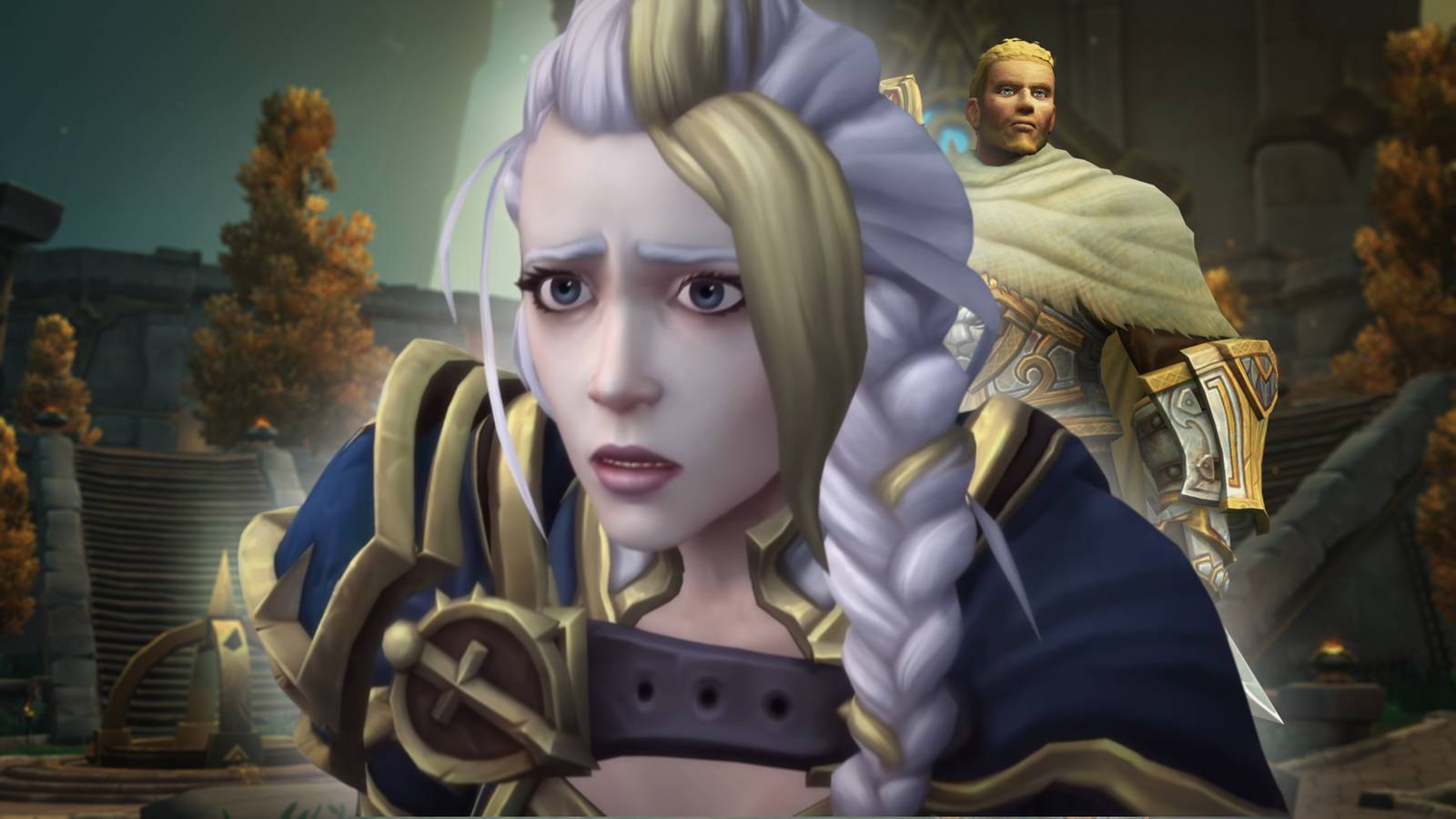
The World of Warcraft community has always been a melting pot of players, some enjoying the freedom to create their perfect playstyle, while others prefer the simplicity and elegance of the base game. After all, that is what has led to it World of Warcraft Classic and its expansions, which serve as a nostalgia-driven environment where the game returns to its origins. However, with the release of the highly anticipated Midnight expansion, Blizzard has taken the controversial step of removing most third-party add-ons from the game. The decision has sparked heated debates among fans, with passionate reactions from both sides.
Some players welcome the change, believing it will streamline the experience and reduce reliance on external tools. However, others are deeply frustrated and feel that the removal of these add-ons removes an important part of the game's identity, customization and accessibility, to the point that this decision was dubbed the “addonpocalypse”. There are pros and cons to what Blizzard is doing World of Warcraftand there are possible consequences for both.

It's official: Say goodbye to your World of Warcraft character build at midnight
2026 is shaping up to be a great year for World of Warcraft, but your characters will be changed forever when Midnight is released.
Case for the Addon Removal: A Return to the Core WoW Experience
For Blizzard, the removal of most third-party add-ons in Midnight appears to be part of an ongoing effort to rein in the game's complexity and focus more on the core experience. Historically, add-ons have played a large role in how players interact with the game, especially PvP in World of Warcraftadvanced raids and other endgame content. While this has given players an incredible level of customization and optimization, it has also led to problems with imbalance, performance drops, and even a broken experience for casual players who don't use these tools.
World of Warcraft is getting easier – for the better
Those who like Blizzard's decision argue that the Midnight expansion pushes for a more unified experience, where players can engage with the content without having to download and configure a series of complicated third-party tools. Blizzard has noted that the game's user interface has been significantly revamped, with the aim of giving players more flexibility in how they interact with the game without the need for external add-ons. The introduction of built-in features such as improved mission tracking, customization of the action field and battle analysis is seen as a direct attempt to meet the needs of players who want a more seamless, integrated experience. This is also seen in the design of classes such as World of Warcraft's Survival Hunter, where the overall complexity is reduced, but the experience is still fun.
The Case Against: Losing key customization and convenience in World of Warcraft

On the back, many World of Warcraft fans feel that the removal of these add-ons is a betrayal of the very tools that have allowed players to customize and fine-tune their gameplay. For years, supplements have been a lifeline, especially in the highly demanding environment World of Warcrafts raids and mythic raids, high ranked PvP and competitive content in general. In fact, these players argue that the additions were never just about convenience, but rather about accessibility and community-driven improvements.
Lights and Shadows of Losing Addons for accessibility in WoW
Many players with disabilities or those who rely on specific mods for visual or audio cues may feel the loss of key features. WeakAuras, a popular add-on that allows players to create custom alerts for various in-game conditions, is no longer supported in Midnight. For players who depend on this tool to manage abilities, buffs, debuffs and cooldowns, the loss of this mod represents a huge barrier to continued enjoyment that runs counter to World of Warcrafts one-button DPS and other accessibility features introduced in the last year or two.
For long-time veterans, additions have also provided an unprecedented level of customization. Players could configure their UI in a way that best suited their playstyle, and the ability to monitor everything from cooldowns to resource tracking gave players a competitive edge. Remove this level of customization i Wow It feels like Blizzard is taking a “one-size-fits-all” approach to gameplay, disregarding the needs of players who were used to customizing every detail of their experience.
In raids, for example, Deadly Boss Mods and BigWigs have been indispensable for overseeing boss mechanics and coordinating group efforts. Without these tools, many players may feel like they are being pushed back to a time when completing endgame content was much more cumbersome. Some argue that it places an unfair burden on new or casual players unfamiliar with complex boss mechanics, while others believe that top players who relied on precise timing will now be at a distinct disadvantage.
How World of Warcraft players adapt to change
Although the addon landscape has changed greatly, players are not just rolling over and accepting the change. Instead, they find ways to adapt, but not without some compromises. Blizzard has introduced more customizable UI features in Midnight, seen as an attempt to fill the gap left by third-party add-ons in Wow. The new interface allows for greater flexibility with the action fields, player and target frames, and the minimap. While it may not be as powerful as Bartender or ElvUI, it provides a more accessible option for players who need a degree of customization without the complexity of add-ons.

Another step in Blizzard's new direction is the improvement of built-in battle tracking. Players can now monitor cooldowns, battle stats, and even track raid mechanics through the in-game system, offering a more integrated way to manage information without third-party tools. However, this feature is still in its infancy, and it does not yet fully replace the depth of information provided by specialized add-ons such as Details! and Calculate for damage meter in Wow or GTFO to warn players to avoid standing in bad spots, AoE abilities, and more.
What is lost in World of Warcraft when midnight falls?
-
Details! (including its damage meter)
-
Weak Auras
-
BigWigs
-
GTFO
-
Bartender 4
-
ElvUI (and similar UI enhancers)
-
Deadly Boss Mods
-
Neat plates
-
The wagon
-
HealBot
-
QuestGuru
Ultimately, what's really lost in this transition is the freedom that add-ons gave players. Whether it was the fine-tuned control over your UI, the depth of raid and battle information, or the added accessibility for players who needed specialized tools, the add-ons allowed for a level of customization that enhanced World of Warcraft experience for new players and veterans alike in a way that Blizzard's new system cannot yet replicate.
For many, this may feel like a step backwards. The vibrant ecosystem of third-party tools, built by the community for the community, has been a hallmark of World of Warcraft for years, and its removal evokes feelings of nostalgia, frustration and even fear. While the game may be trying to simplify the experience for a wider audience, it risks alienating the dedicated player base that helped lift World of Warcraft to its status as one of the best MMOs you can play.
Midnight may be World of Warcraft's Make-or-Break Moment
As Midnight continues to evolve, the tension between simplifying the experience for new players and maintaining the deep customization that has defined World of Warcraft community becomes clearer. Blizzard's decision to remove most add-ons may well be a bold experiment, aimed at reducing complexity and promoting a more cohesive gaming experience. Whether it will succeed in uniting the community or drive a wedge between casual and hardcore players remains to be seen. For now, fans and players will have to come to terms with the changes, while hoping that Blizzard's next step involves greater integration of the tools and customizations the community has long relied on.


- Released
-
November 23, 2004
- ESRB
-
T for Teen: Blood and Gore, Crude Humor, Mild Language, Suggestive Themes, Use of Alcohol, Violence (online interactions not rated)
- Engine
-
Unreal engine