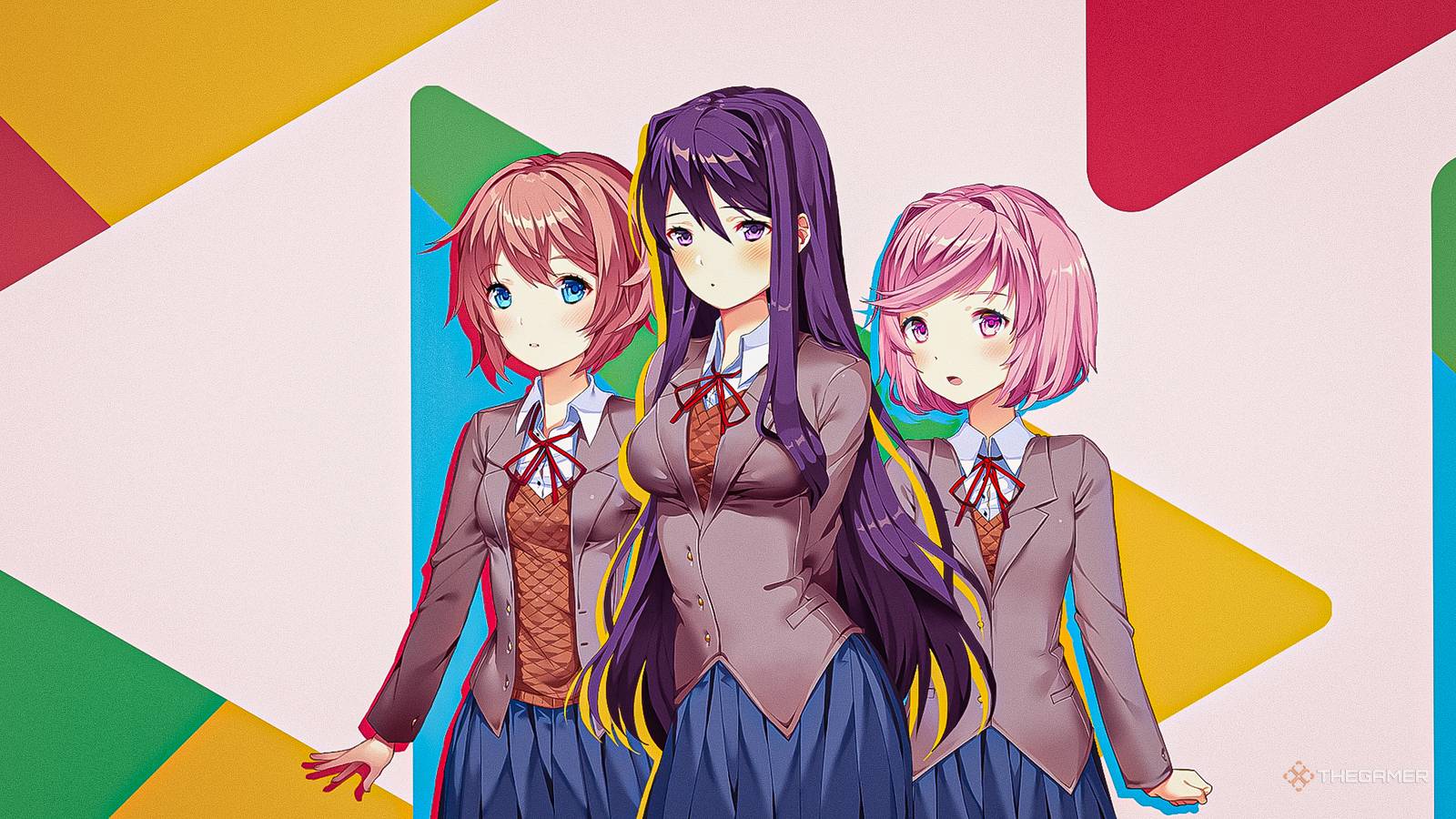
Serenity Forge revealed last night that Doki Doki Literature Club had been removed from the Google Play Store earlier this week for violating the platform's terms of service.
“DDLC is available on many different platforms, including iOS, Nintendo Switch, PlayStation and more,” explained creator Dan Salvato. “We continue to do everything we can to find a way forward to get DLLC reinstated on the Google Play Store. At the same time, we are also exploring potential options for alternative distribution methods on Android devices.”
It's unclear how exactly Doki Doki Literature Club's “depiction of sensitive themes” violated the Google Play Store's terms of service, given that it was approved and has been available on the platform since December 2025, but the team assured that it will keep fans “updated on the future of DDLC for Android.”
Is Doki Doki Literature Club the latest victim of video game censorship?
Over the past year, payment processors have pressured storefronts like Steam and itch.io to remove adult games, and while the first wave targeted controversial games that depicted rape and incest, the idea that payment processors could use their power to unilaterally decide what's allowed to ring alarm bells.
In addition to these concerns, an employee of the ZOOM retro storefront claimed that titles such as Grand Theft Auto, Duke Nukem and Saints Row were described during conversations with payment processors as “potentially at risk”. Violent video games have been under scrutiny since their inception, but now political groups like Collective Shout have shown that this puritanical panic can be harnessed to pressure payment processors to take action, setting a new precedent. This is especially worrying for indie developers who lack the cash to stand up to MasterCard and Visa.
We've already seen this campaign extend beyond adult games to indie horror, as Horses, Vile: Exhumed, and Red Pine Lake were all banned from Steam last year. While it's unknown if Doki Doki Literature Club's removal is connected to this latest wave of censorship, many, like Castlevania: Nocturne character artist Suzanne Sharp, believe it is. “They go for fear,” she said. “We said this would happen.”
Serenity Forge's explanation that the DDLC was removed due to “its depiction of sensitive themes” certainly suggests censorship, but the store page has been clear about these themes since it opened five months ago, and when you launch the game, you're asked to consent to “highly disturbing content” before you can play. That's not to mention that Doki Doki Literature Club was first released almost a decade ago on itch.io and Steam. It's no small secret that the sweet pastel visuals typical of a visual novel are just a mask for the graphic content and horror that DDLC is otherwise known for.
“DDLC is widely acclaimed for portraying mental health in a way that meaningfully connects deeply with players around the world, helping them feel heard, understood and less alone in their journey,” said Salvato. “To be able to achieve that — to make a truly meaningful difference by using the power of fiction to connect with others — is what I'm most grateful for. It inspires me every day to keep doing cool new things, things that can really reach others, especially those who need connection.”



- Released
-
September 22, 2017
- ESRB
-
e
- Developer
-
Team Salvato
- Publisher
-
Team Salvato