Not every game is a simple heroic adventure, and in many cases the player actually turns out to be more of a detriment to the world than a real benefit. They don't always have to be an outright villain, but they can cause just as many problems by making bad choices, unintentionally hurting characters, and affecting the world through collateral damage, even when they're actually on the side of good.

26 games that let you play as the villain
Playing the virtuous hero who saves the day game after game gets stale, so it's always interesting when a game lets you play as the villain.
The best examples of these disaster scenarios are where players are either given a choice of how kind or evil they want to be, or when the decisions themselves lead to negative consequences, no matter how well-intentioned they may be. These games treat goodness as a flaw, forcing players into situations that require sacrifices and trade-offs, or outright stating that the path forward can never be one of greatness.
Pathological 2
Every choice creates a new disaster
Details:
-
Sacrifices are a necessity
-
The whole city can die if the decisions are bad
Pathological 2 is built around the idea that saving one thing means sacrificing another. The narrative never allows for outright victories, as each choice prioritizes one group, district, or ideology at the expense of others, often leading to permanent consequences that almost always come in the form of death.
NPCs remember neglect, and the story adapts to reflect the player's failures rather than hide them, which is exacerbated by the lack of information on how to fix them. Even well-intentioned decisions can quickly precipitate collapses elsewhere, making much of the playthrough feel like a hopeless struggle to manage and keep track of an endless list of things that prove to be virtually impossible.
Disco Elysium
Failure is inevitable
Details:
-
Words dictate the fate of many
-
Major canonical effects from single dialogue options
Disco Elysium is a great example of a game that falls apart in the hands of the player through the decisions they make and the relationships they burn. Individual conversations can shape political movements as well as personal relationships, and bad judgment can permanently damage both at the same time, derailing entire paths while destroying long-standing alliances.

8 Most Open RPGs of All Time
Open-world RPGs are one of the most popular genres in modern gaming, and these games take the concept of “open exploration” very seriously.
The game treats the player's pitfalls as canonical outcomes rather than errors to correct, as anything from emotional breakdowns to addictions can reshape how the story unfolds and how others see them. Instead of stopping the story in its tracks, failure becomes its defining characteristic, forcing players to fumble and try to fix things, but basically always fail to do so.
Shadow of the Colossus
Heroism that hides a darker truth
Details:
-
Victories make the world quieter and gloomier
-
Irreversible damage
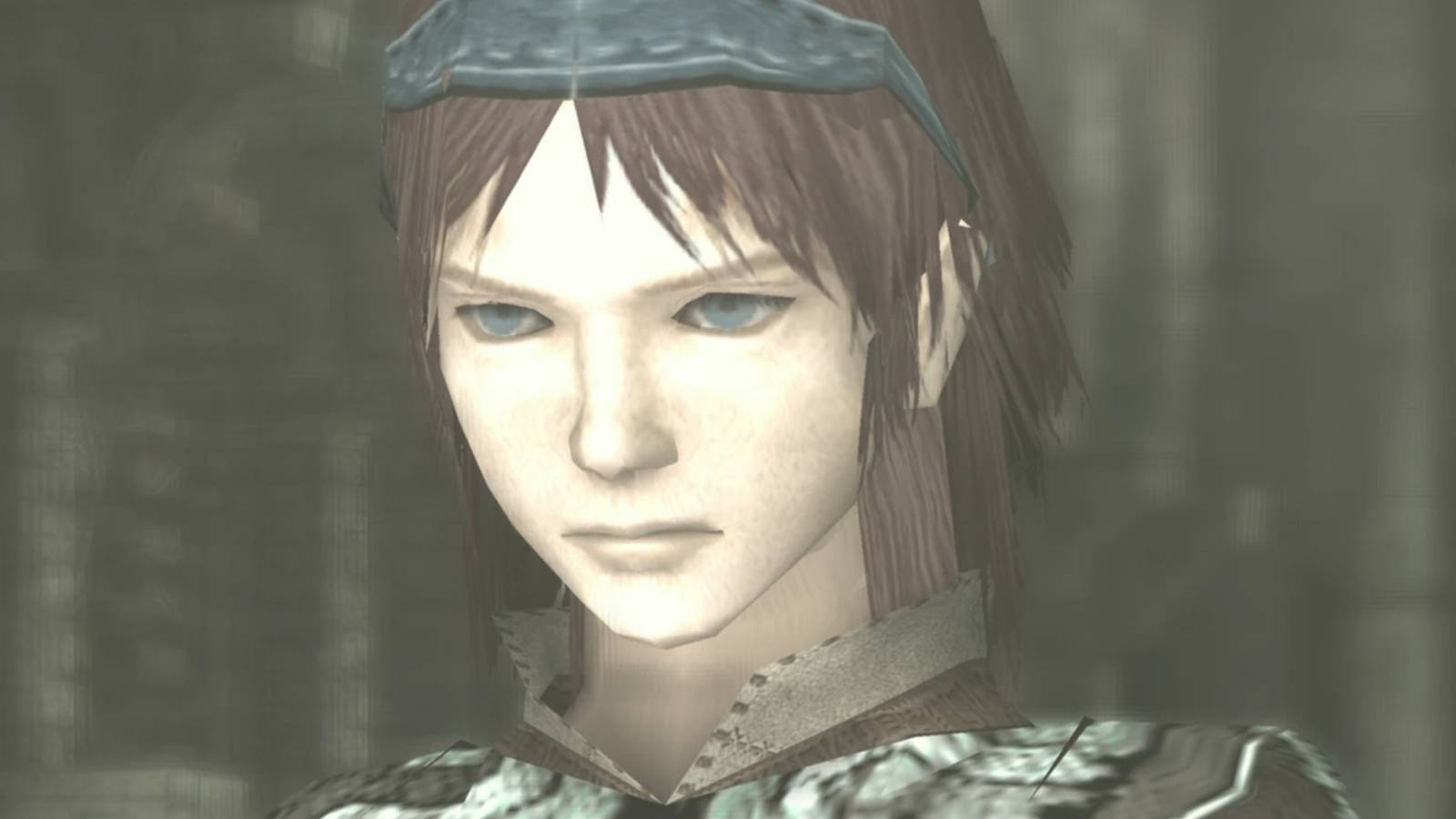
At first glance, Shadow of the Colossus presents the player with a simple mission of slaying giants to save someone they love. But with each victory, the world grows quieter, darker and more unsettling, as the landscape seems emptier and Wander's body begins to deteriorate, showing the consequences of violence in real time.
The game never explicitly tells players that they're making things worse, but its atmosphere relentlessly communicates it. As they delve deeper, the enemies feel less like monsters and more like guardians, protecting something unknown, and ultimately the narrative power lies in how it lets players realize too late that their success has irrevocably damaged the world.
Tyranny
Committing atrocities on a large scale
Details:
-
Trade-offs for every decision
-
Pursuing selfish ambitions
Tyranny puts players in a position of authority in an already broken world, but any attempt to stabilize it only deepens the damage. Choosing a side strengthens factions that commit atrocities, while acts of mercy often weaken the player's control and lead to even greater suffering later, creating an interesting dynamic where virtually every choice comes with pain.
The story is built around compromise and complicity, because there is no path where the world really gets better, only versions where it gets worse in different ways. The story reacts sharply to the player's decisions, with regions being reshaped and entire ideologies bursting at the seams, simply because of how evil they decide to be.
Spec Ops: The Line
Obedience is the real crime
Details:
-
Constantly escalating violence
-
No winners in war
Spec Ops: The Line presents the progression itself as the problem, as, unlike other shooters where the main goal is just to eliminate all enemies in sight, the missions here feel much more ominous as the player progresses. Despite the goal of restoring order, the violence in each episode only seems to escalate more and more, and each success seems to exacerbate the humanitarian disaster unfolding before the player.
The game removes the idea of a fearless hero, and instead forces players to confront the consequences of following orders without question. To achieve this, the story involves the player directly in each of their actions, blurring the lines between good and bad from start to finish. Trying to do the right thing only deepens the disaster, and by the end of the game, the story makes it clear that the greatest harm came not from villainy, but from blind compliance.
Notorious
Save lives at any cost
Details:
-
Destruction is a certainty
-
Death also comes in good playthroughs
IN INKNOWNthe player's choices visibly reshape the world in negative ways, whether they decide to be a bloodthirsty villain or a would-be anti-hero. The evil path makes civilians fear the player and turns otherwise peaceful neighborhoods hostile, with even heroic actions often causing collateral damage that almost always results in the death of an innocent person.

5 Open-World Games That Reward Chaos More Than Careful Planning
That cautious approach flies right out the door as soon as you boot up these open-world titles that want you to unleash your chaotic side.
The morality system is not a background mechanic, but is instead the primary force for how the player is perceived in the world. Players can try to walk the path of good, saving as many people as possible, while cleaning up the city, but it's never a clean path and is often filled with carnage and chaos that affects more than just the bad guys. NPCs react differently, and the town's tone changes based on behavior, emphasizing the idea that every action has consequences and that even if they try to be the good guy, there will always be a cost that comes with trying to save the day.
Prototype
Strength comes from carnage
Details:
-
Killing becomes necessary
-
Always secondary damage caused
Prototype embraces the idea that the player is the villain. As Alex Mercer grows stronger, the city collapses further, turning what was a bustling metropolis into a barren wasteland. The military responses become more intense, civilians disappear and the environment becomes a battlefield shaped by the player's presence, showing how unafraid the game is to lean into the dark side.
The story reinforces this lineage by portraying power as an isolating force that almost always leads to evil. Negativity is inevitable, as development is directly tied to players consuming enemies and destroying structures, never once letting them escape the fate they've been dealt, no matter how hard they try.
The last of us part 2
The cost of relentless revenge
Details:
-
Bloodshed with seemingly no end
-
Closure is never guaranteed
The last of us part 2 is built around cycles of retribution, showing how each act of violence fuels the next, with seemingly no end in sight. The choices made in pursuit of justice lead to the dissolution of relationships and a loss of personal identity that never seems to be fixed. Unlike the first game, where Ellie was a strong yet smart survivor, here she becomes a ruthless killer, overcome with bloodlust and more concerned with satisfying her eternal hunger for revenge than the people who matter most to her.
The narrative refuses to validate the player's actions, instead forcing them to witness the cost from multiple perspectives. By the end, almost every character is emotionally or physically broken, and the world feels emptier for it, despite how much the player might want to go another way. There really are no happy endings for anyone, because even when things start to die down, there's always another wrench in the works that completely derails any sense of comfort, which almost always comes in the form of death.

8 RPGs with the best stories, ranked
While some RPGs excel in their gameplay and combat, these titles blend the best of everything by providing great stories as well.
