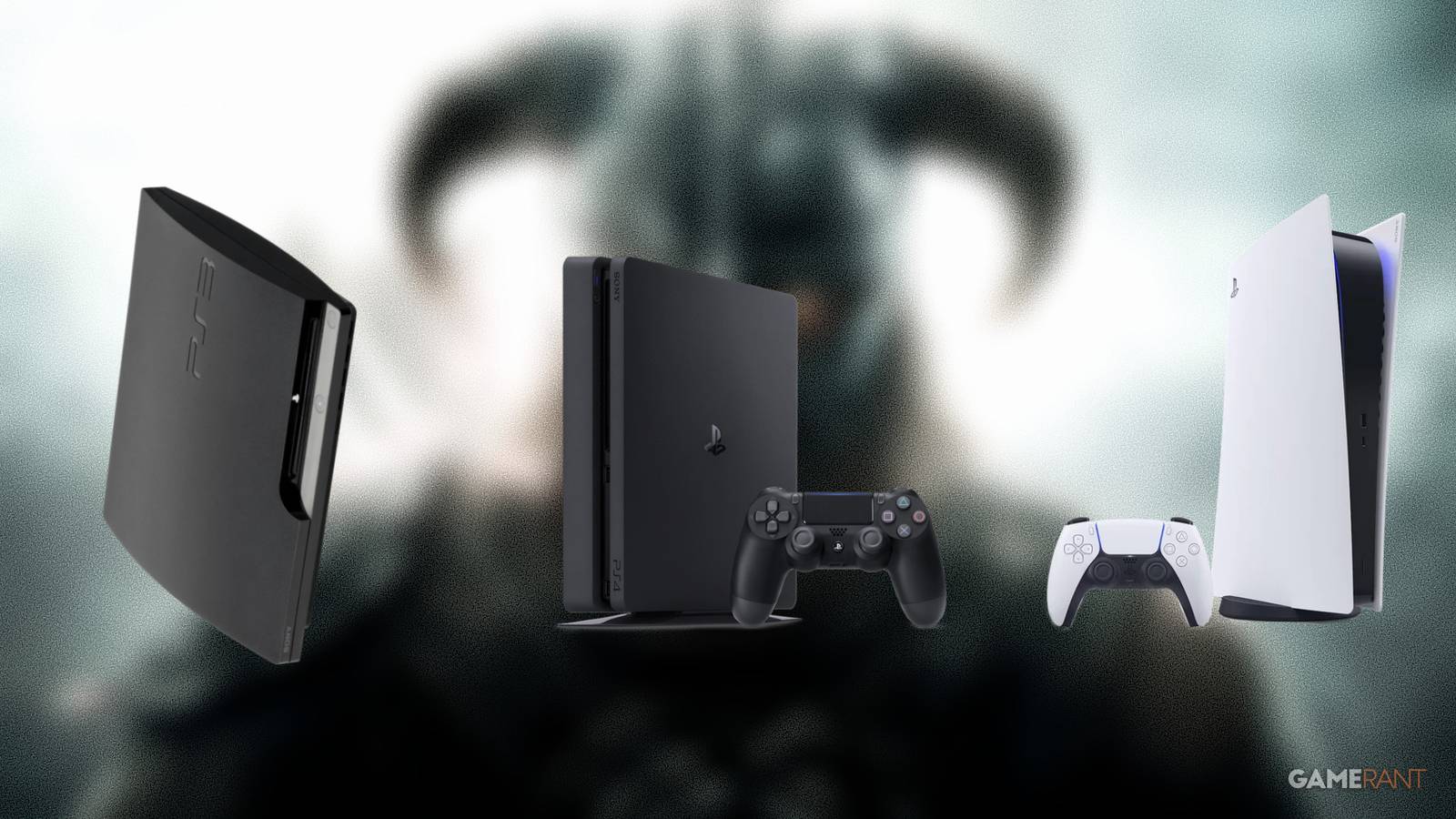
You can't deny the cultural impact of The Elder Scrolls 5: Skyrim. Released in late 2011, just a few years after Bethesda Game Studios' hugely successful Fallout 3, Skyrim represented the pinnacle of the Maryland developer's creative powers.
But as many players are well aware, 2011 was far from the last time fresh copies of Skyrim would end up on store shelves. In the years following its initial release, Bethesda's high-fantasy RPG would be re-released several times, often with additional features or improvements. Make no mistake, though: these new releases were always still Skyrim at their core. This rampant remake of the original 2011 game eventually served as the basis for countless jokes at Bethesda's expense, as audiences were bemused by the laser focus on Skyrimwhich is often perceived as at the expense of other projects.
A quick overview of Skyrim's excessive re-releases
Every major release of The Elder Scrolls 5: Skyrim
-
2011: The Elder Scrolls 5: Skyrim
-
2013: The Elder Scrolls 5: Skyrim – Legendary Edition
-
2016: The Elder Scrolls 5: Skyrim – Special Edition
-
2017: The Elder Scrolls 5: Skyrim (Switch)
-
2018: The Elder Scrolls 5: Skyrim VR
-
2021: The Elder Scrolls 5: Skyrim – Anniversary Edition
-
2025: The Elder Scrolls 5: Skyrim (Switch 2)
The aforementioned editions of Skyrim run the scale from reasonable to catastrophic. Skyrim: Special Edition and Skyrim: Anniversary Edition are on the reasonable side of the spectrum, as these are the remastered editions of the game for the 8th and 9th generation consoles respectively. These next-gen versions take advantage of newer hardware, come with DLC, and include extra features that weren't present in the base game. For example, Anniversary edition adds a fishing minigame not present in previous (vanilla) versions of the Skyrim. Such features and improvements justify the cost of entry, especially for repeat players.
Despite being released in the same year that the eighth generation of consoles began in earnest, Skyrim – Legendary Edition is not a remaster, but a comprehensive base game and DLC pack with some extra bells and whistles.
Likewise 2017's Nintendo Switch port and 2018's Skyrim VR are uncontroversial: they both bring the game to new, in-demand platforms, and each recontextualizes Skyrim experience in a meaningful way. Of the above re-releases, it's clear that the most problematic is also the latest – the Switch 2 edition of Skyrim. In fact, December 2025's Nintendo Switch 2 port was widely reported to be unacceptably laggy and sluggish, limited to 30FPS even when far more visually impressive titles on the console have achieved north of 60FPS.
Other Skyrim re-releases
-
2018: Skyrim: Very Special Edition
-
2022: The Elder Scrolls 5: Skyrim – Special Edition (DRM free)
Worth noting are two less controversial reissues of Skyrimstarting with the 2022 DRM-free version. Despite being less publicized than the aforementioned launches, this release of the game is indicative of Bethesda's consumer-friendly philosophy. It was released specifically for use with the PC launcher GOG, which does not require digital rights management (DRM). This means that, unlike the Steam version of the game, this Skyrim the release does not need to have its license verified, providing truer virtual ownership.
The other unusual Skyrim the reissue is 2018 Very special editiona voice-controlled version of the game for use with Amazon Echo (Alexa) devices. The purpose of this “port,” which didn't require an additional purchase for Echo owners, was seemingly to poke fun at Bethesda's growing reputation for re-releases Skyrim “for each unit.” This is funny, but also quite interesting because, like the infamous “it's a bug, not a feature” motto, it's an example of Bethesda lampooning some of its less popular tendencies. By pointing out such absurdities itself, Bethesda may believe it will be somewhat shielded from the same criticism from outside sources.
Why does Bethesda keep releasing Skyrim?
The reason I point out criticism of Bethesda in connection with Skyrims reissues should be pretty obvious. Bethesda has been teased, mocked and chastised relentlessly for its repeated re-releases of the 2011 RPG. There are a few factors at play here, not least the continued absence of Elder rolls 6. Many fans argue, not unreasonably, that Bethesda should focus more on the next entry in the series rather than retreading old ground. Even less charitable perspectives argue that these reissues are signs of creative bankruptcy and an unwillingness to let go of the “golden age,” so to speak.
But the real motives behind Bethesda's continued release of Skyrim was rather blatantly stated by Todd Howard himself just a few years ago. In a 2018 interview with Geoff Keighley, Howard explained the company's approach to Skyrim with an elegantly obvious condition: “If you want us to stop releasing it, stop buying it.” It's hard to get much clearer than that.
Of course, that explanation can't quell all the criticism leveled at Bethesda for its aggressive commitment to Skyrim IP. First, Howard's comments from 2018 are somewhat undermined by cases like the Switch 2 debacle, which was actually an inferior version of the original game, at least at launch. Additionally, one could argue that Bethesda is capitalizing on players' nostalgia for Skyrim with these various special editions, in a way chasing the fans by appealing to their affection. Again, such complaints are compounded by the lack of any real information about The Elder Scrolls 6. If Bethesda can deliver on the next entry in the franchise, then maybe Skyrims fertility will not seem so controversial in retrospect.

- Released
-
November 11, 2011
- ESRB
-
M for adults 17+ due to blood and gore, intense violence, sexual themes, use of alcohol
- Developer
-
Bethesda Game Studios
- Publisher
-
Bethesda Softworks
