Many RPGs promise that player choices change the story. However, many players frequently discover that their decisions only alter a single line of dialogue or a minor cosmetic change. For these games, decisions go far beyond a simple yes or no dialogue option. A single conversation in an early chapter might determine if a companion stays loyal or betrays the party at the end.

Big Upcoming RPGs That Focus On Player Choices
Freedom to make impactful choices with far-reaching consequences lies at the heart of these upcoming RPGs.
Some of these RPGs even remember what a player did in a previous save file. They use that data to mock the player or change the current story. These games are the best way to prove that choices can have a profound impact on a player’s journey.
Baldur’s Gate 3
Systemic Ripple Effects
- The game records decisions deeply and uses them later, so even small actions can create serious ripple effects hours afterward.
- Ethical choices avoid simple good-or-evil labels, changing relationships, factions, and even entire areas of the world.
Baldur’s Gate 3 gives a sense of real agency beyond typical RPG choices. In some games, choices change only a line of dialogue or a cosmetic detail, but Baldur’s Gate 3 records decisions at the system level and uses them later in serious ways. This means that even small actions can have meaningful ripple effects across hours of play.

Impossible Choices You Have To Make In RPGs
RPGs love to give players narrative decisions to agonize over, and these particular games force players to make impossible choices to proceed.
The game also goes beyond giving players straightforward good vs. evil choices. Instead of a binary morality system, Baldur’s Gate 3 forces players to make choices that are ethically complex, with real consequences that don’t always feel like clear rewards or punishments. This design pushes players to think about what consequences might unfold, not just whether a choice is labeled good or bad. Choices affect not only story and character relationships but also the larger game world. Lots of content can be locked out in this RPG depending on the player’s decisions, and factions can rise or collapse based on how the player interacts with them.
Star Wars: Knights of the Old Republic
Moral Choices Become Physically and Narratively Visible
- Repeated Light or Dark Side decisions change the protagonist’s physical appearance, making moral choices visible in the world.
- Alignment shifts come from both major events and small conversations, shaping the final destiny of the character.
In many games, a player’s moral choices only affect their reputation. But in a BioWare RPG like Knights of the Old Republic, decisions are hard because they not only have moral weight, but also have a direct impact on the protagonist’s look. If a player consistently chooses the Dark Side, the character’s skin becomes pale, and their eyes turn yellow. Conversely, a character who follows the Light Side maintains a brighter appearance. This makes the player’s internal moral journey kind of visible to everyone they interact with.
Every time a player chooses something that favors compassion, aggression, or selfishness, the alignment score shifts. These shifts come from actual gameplay decisions, from major story moments to smaller conversation choices, so players feel the moral weight of what they do. And some choices change how later events play out in the story. For example, at the end of KOTOR, a player can choose a destiny that reflects their moral path. So one option leads toward resisting the dark influence and confronting Darth Malak directly, while the other embraces the dark side and reshapes the game.
Mass Effect 3
Long-Term Variable Importing
- A save-import system tracks decisions across three games, which determines which major characters survive to appear in the third installment and what roles they play.
- The Rannoch outcome shows that outcomes are hidden behind specific past and present decisions, not obvious choices.
Mass Effect 3 lets players import a character from Mass Effect 2, which includes the outcomes of major decisions from both Mass Effect 1 and Mass Effect 2. This import changes how Mass Effect 3 plays out for different players. For example, winning the loyalty of certain squad members or deciding which major characters lived or died directly alters who appears in Mass Effect 3 and in what role.

10 PC RPGs With The Most Impactful Dialogue Choices
Your dialogue choices don’t always make much of a difference, but these PC RPG’s make them count.
In the Rannoch, a player must choose between the Quarians and the Geth. Many players expect to be able to save both, but this “perfect” outcome is hidden behind tougher choices. Players have to earn up to 5 points from certain tasks in Mass Effect 2 and Mass Effect 3. These include choices like resolving a loyalty dispute between Tali and Legion without taking sides and destroying the Geth heretics.
Disco Elysium
Choices Redefine the Protagonist’s Mind, Not Just the Plot
- Decisions reshape the protagonist’s thoughts, beliefs, and internal voices rather than only affecting external events.
- Failure is used as a narrative tool, where a bad dice roll does not end the game but instead opens up unique story developments that a successful player would never see.
Disco Elysium is different from other RPGs because it tracks a player’s psychological and philosophical thoughts rather than just their physical actions. Most RPGs use choices to decide which faction wins a war or which character lives. In this game, choices change how the protagonist thinks, what he hears in his head, and how he views reality itself.
While in most games, skills help players in combat. In Elysium, the protagonist’s 24 skills act as internal voices that argue with him. Another thing that most people might not expect from Disco Elysium is that both success and failure shape the story. So a failed roll does not always just close a path or punish the player. Failure often leads to unique story content. This can lead to unexpected narrative developments that make multiple playthroughs different.
Pillars of Eternity
Personality Is Measured In Detail, Not On A Simple Moral Scale
- The Disposition system uses ten personality traits to determine how NPCs react to the player.
- Choices extend beyond the game’s ending, with detailed slides describing the long-term fate of the world.
Most RPGs only track if a character is good or bad. Pillars of Eternity uses 10 different personality traits, called Dispositions, such as Honest, Cruel, Stoic, or Benevolent. NPCs do not just react to the character’s overall heroics. They react to their specific reputation. If the character has a Deceptive reputation, certain NPCs will refuse to trust them, even if the character is trying to help.
The most significant way choices matter is through the ending slides in Pillars of Eternity. The game does not just say “you won.” It describes the fate of the village, companion, or faction based on the choices made. And also, the choices made in the first game are not forgotten when the story ends. They carry over into the sequel, Pillars of Eternity II: Deadfire.
The Witcher 2: Assassins of Kings
One Decision Redirects The Entire Middle Of The Game
- A single choice at the end of Chapter 1 sends Geralt to completely different regions with unique quests.
- Political and narrative outcomes are shaped by layered decisions with no clear moral answers.
The most significant “more than you expect” element in The Witcher 2 is the choice at the end of Chapter 1. Geralt has to decide whether to help the Special Forces commander Vernon Roche or the elven rebel Iorveth. This is not just a change in dialogue. Depending on the choice, a player is sent to an entirely different location for Act 2.
Unlike systems with obvious good or evil meters, many choices in The Witcher 2 force players to weigh complex narrative and political outcomes. Even decisions that seem small or tactical can ripple into larger story consequences, reinforcing that choices matter deeply and sometimes unexpectedly.
Banner Saga Trilogy
Choices Carry Over Across Games
- Choices about leadership, supplies, and responses to events affect morale, survival, and future scenarios.
- The choices made in the first installment affect who lives and dies in the sequel.
In The Banner Saga, many choices do not just change a line of dialogue or give a tiny bonus. Decisions about how to respond to events, how to manage supplies, and how to lead the caravan affect morale, who survives, and what future situations the player faces. These effects sometimes only become clear hours or even in later games in the trilogy.
Banner Saga is not one of those RPGs where a character only dies if they lose all their health in a battle. In The Banner Saga, characters who live or die depend on player decisions. Some things can lead to the permanent loss of allies before reaching later parts of the trilogy. And these losses reshape future party options and narrative flavor, making players genuinely reconsider how decisions will influence later outcomes.
Undertale
The Game Remembers How the Player Treats the World
- Killing or sparing enemies determines the narrative route and the nature of the ending.
- Violent paths leave a permanent stain, as completing a Genocide run will forever change the ending of future Pacifist runs.
On the surface, Undertale presents a simple choice: should a player kill the monsters they encounter or spare them? This decision dictates which of the three primary narrative paths a player follows. If a player kills some monsters but spares others, they get the neutral path. On the flip side, if a player spares every monster and befriends key characters, they can get what is called a True Pacifist end. This route leads to the most positive ending, where the barrier is broken, and monsters can leave the Underground.
A lot of Undertale’s depth lies in what players don’t notice at first. So it’s really a game that players have to replay multiple times to get the full picture. Only after completing a Neutral ending can the True Pacifist Route be unlocked, showing new character interactions and lore. Also, completing a Genocide route permanently changes how future Pacifist endings work unless a True Reset is done. This change reflects how the game remembers the player’s dark choices in a lasting way.
Pathfinder: Wrath of the Righteous
Mythic Paths Fundamentally Rewrite the Story’s Direction
- Each Mythic Path opens unique quests, powers, and dialogue while reshaping the Commander’s fate.
- The secret Ascension ending requires precise decisions, involving a hidden checklist of specific items, ranks, and in-game calendar deadlines.
One of the clearest choices in Wrath of the Righteous is which Mythic Path the player selects for their Commander. These paths, like Angel, Demon, Azata, Aeon, Lich, Trickster, and later ones like Gold Dragon or Legend, are fundamentally different and open unique quests, dialogue options, and powers. Each path dramatically affects how the narrative progresses and how the character’s ultimate fate unfolds.

10 Games With Profound Morality Systems
While most games allow players to do what they please, some games have morality systems that could alter the gameplay entirely, like these examples.
The most complex part of the game is probably the Secret Ending, where players can ascend to godhood. But players have to make tough choices like which mythic paths to follow and reach a certain rank, and collect some items under a tight deadline.
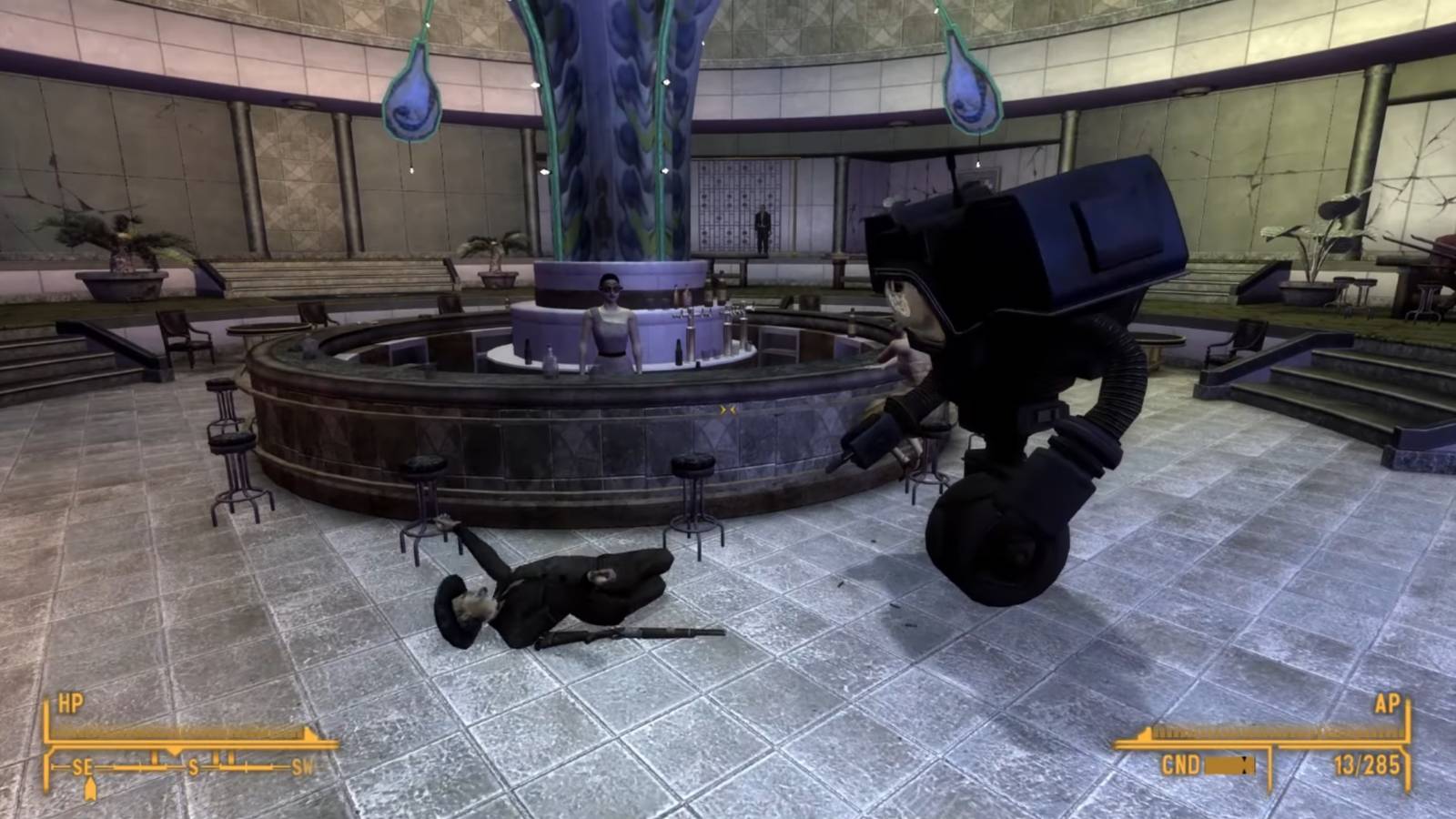
Fallout: New Vegas
Freedom Includes the Option to Be Genuinely Horrible
- Choosing who controls Hoover Dam defines the political future of the Mojave.
- Some choices allow for extreme actions like cannibalism or selling companions into slavery.
The most obvious choices in Fallout: New Vegas involve the four main paths to the finale at Hoover Dam. Players have to choose which power will control the Mojave Wasteland. Supporting the New California Republic, Caesar’s Legion, Mr. House, or taking the independent Yes Man route leads to very different political outcomes and endings.
Where the game becomes more surprising is in how it makes players do some pretty evil things. In fact, as the Courier, players can become cannibals in Fallout: New Vegas. Also, there are choice options to steal toys from kids and sell a companion into slavery.

The 10 Best RPGs of 2025
With many impressive games under the RPG banner in 2025, Clair Obscur: Expedition 33, The Outer Worlds 2, and more offer outstanding experiences.
