Of all the video game franchises that have ever existed, few come close to the influence and cultural impact of Grand Theft Auto. The modern open-world titan has been at the top of the gaming world for decades now, setting the standard for the genre and immersing players in cities full of crime, cars and a whole lot of shooting. But the franchise's journey hasn't been without competition, as many other developers have tried to take the throne with a different take on city-based exploration and action.
Some games tried to innovate by building a world that focused on a completely different gameplay loop, while others tried to take the top spot by imitate and directly borrow from GTA, hoping that their product would shine the brightest. Despite countless titles and years of development, no game has surpassed or even matched the success of Rockstar's flagship franchise, but that doesn't mean the games that have been tried aren't worth playing.
Watch Dogs
Hack your way around the world
Watch Dogs was Ubisoft's attempt to break into the open world urban space, combining a huge amount of traversal options with the ability to hack many different pieces of technology across the globe. Players will find themselves infiltrating criminal organizations and bringing down large corporate schemes with some high-tech equipment, as well as some gunfights when the going gets tough.
While Watch Dogs found relative success and spawned several sequels, it never quite captured the sandbox feel of it GTA. The world felt interesting and full of life, with individual NPCs displaying personalities and backgrounds that could be used to the player's advantage, but in many ways it felt more like a tribute to Rockstar's franchise than a real contender for a place at the top.
MindsEye
Futuristic, but a small step back
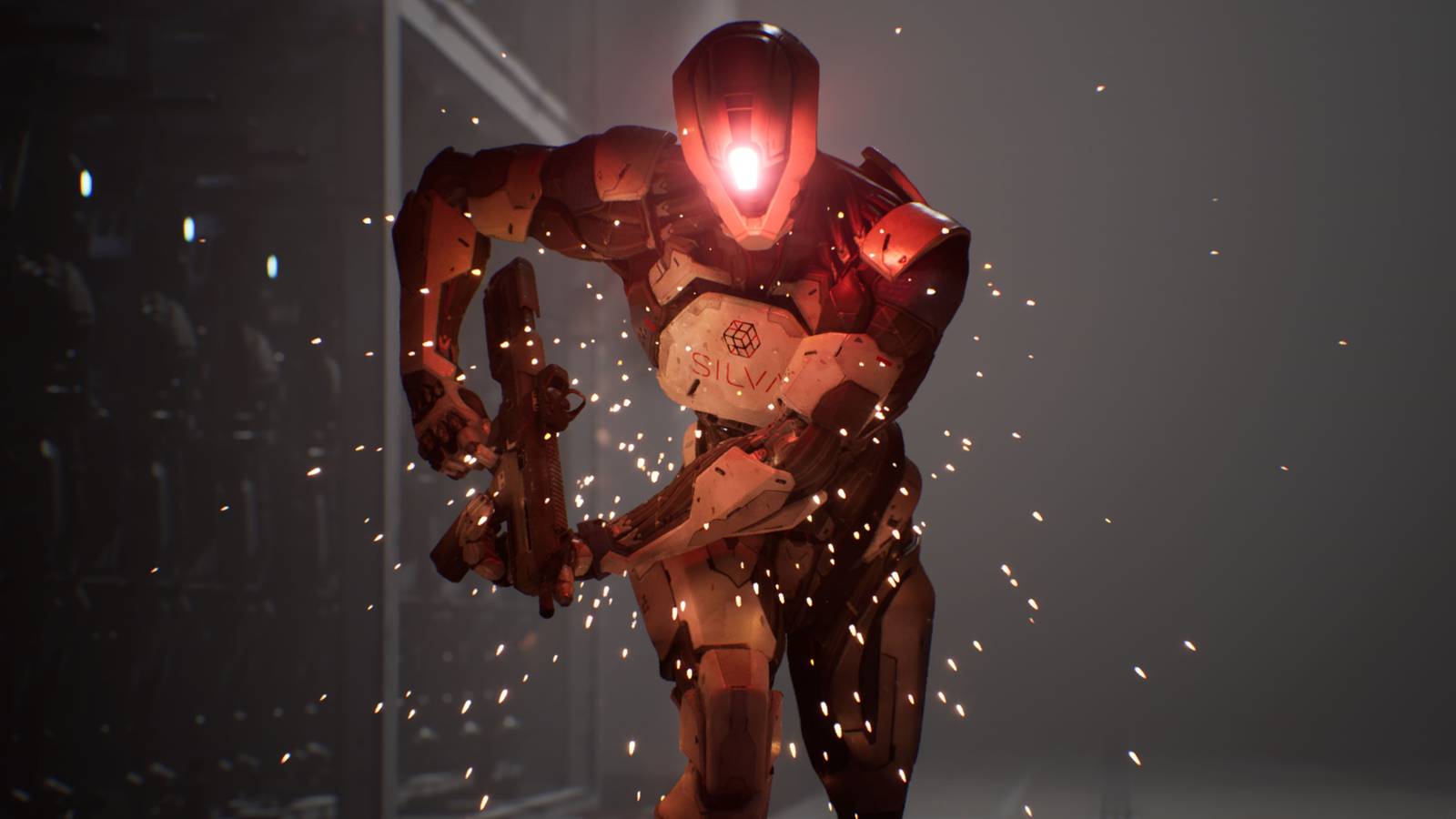
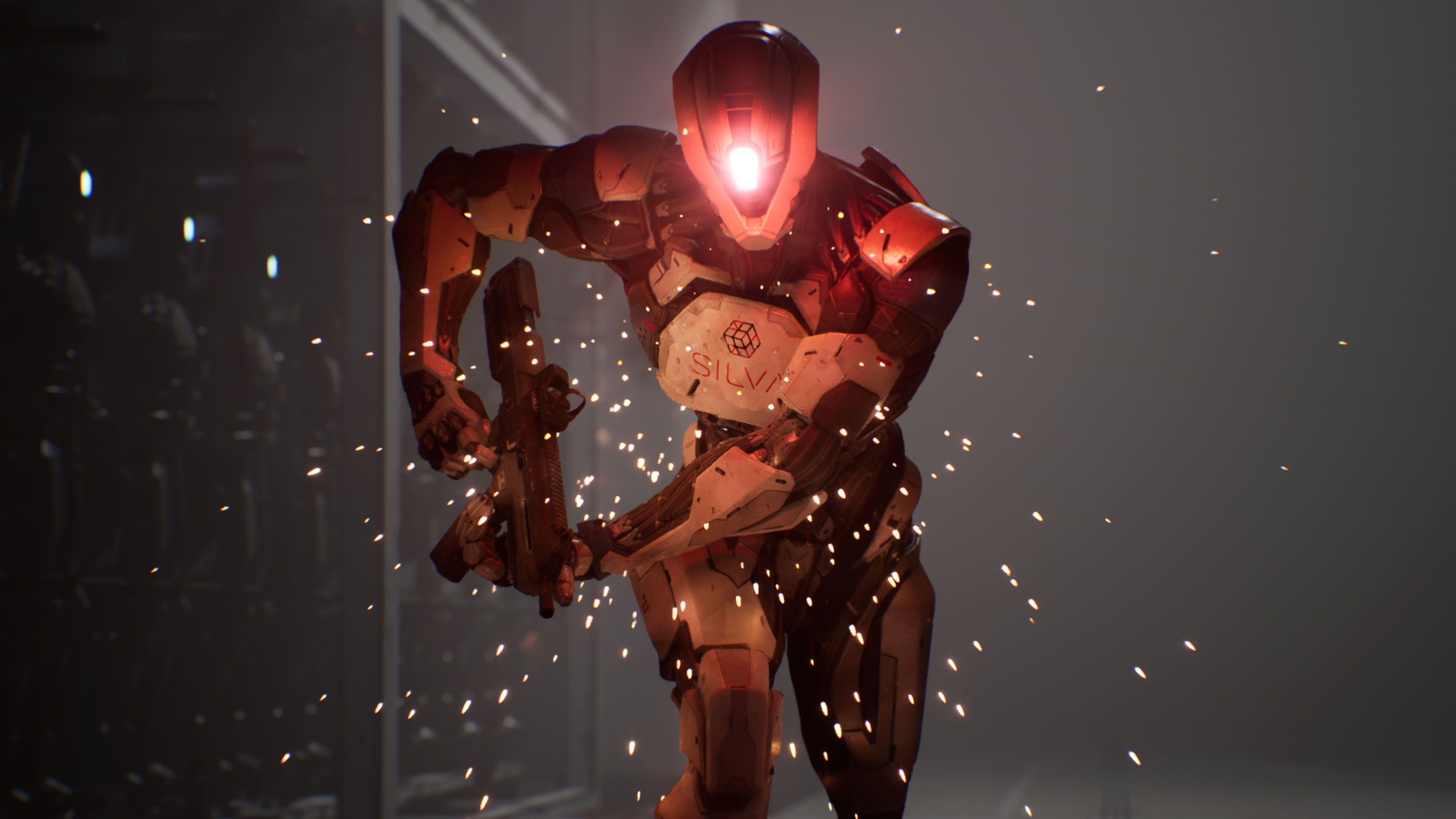
MindsEye is a truly modern open-world shooter that sends players into a technologically advanced city full of crime and dystopian themes of surveillance and control. The story takes a cinematic approach, mixing close cutscenes with cinematic sequences to make the story feel like part of the game. The story's players on an espionage journey that will force them to confront the past, the present and even the future.
However, MindsEye didn't live up to expectations, mainly due to its launch state, which was riddled with bugs and performance issues that made it borderline unplayable for some. It has undergone something of a redemption arc since its release, with improvements patched in to help with some of the major issues. At the end of the day, it still fails to make any major strides in a direction that wasn't already covered GTA.
Sleeping dogs
Unique enough to stand on its own
Set in a beautifully realistic Hong Kong, Sleeping dogs combines martial arts with urban exploration in a city previously unseen in the open world genre. Players control Wei Shen, a police officer who infiltrates the Triads and is torn between loyalty and justice, forcing players to make decisions regarding their loyalties and how they want to be perceived by the characters in each world.
The game also focuses much more on morality than chaos, giving players fewer tools to turn the world into a playground and more focused gameplay that encourages patience over randomness. Its gritty narrative and choreographed brawls lend a cinematic flair to the open-world action, and though Sleeping dogs was somewhat smaller in scope than a full-fledged one GTA title, it still stands as a landmark in video game storytelling.
Addition
Super Powers Meet Open-World Chaos
Addition trades GTA's realism for comic book mayhem, casting players as a genetically enhanced agent in a sprawling, futuristic city. Players can leap over skyscrapers, throw cars and destroy everything in their path with superhuman strength, all while focusing on taking down criminal empires in a vibrant world full of non-stop action.
The story takes a step back, making many of the missions feel pretty similar and providing little in the way of a compelling loop to follow. The sequels tried to continue the attack on GTA franchise, but none of them came close, although they did manage to carve out a decent niche in an already hotly contested genre.
Saints Row
Totally leaning into parody
Saints Row began as a street-level crime sandbox clearly inspired by GTAthrowing players into chaotic quests in a crazy world full of mischief. The game follows a simple structure of taking over districts, building influence and outdoing any rivals that overstep their boundaries, but with over-the-top humor as the main driving force behind the gameplay and story.
While the franchise never reached GTA's cultural dominance, it managed to create a unique identity that was only interested in unhealthy fun. The tone of the franchise shifted from gritty realism to comic exaggeration, creating an experience that celebrated chaos and shows that with enough ambition and a few silly ideas, success can still be found.
The mafia
Grounds the mob in reality
The mafia was 2K's response to GTAtrades modern chaos for a classic crime drama and more in-depth storytelling. Set in the 1930s, the game has an old-school aesthetic that extends from the world to the dialogue. Players start out as a lowly gangster but quickly rise through the criminal ranks, earning loyalty and praise for their violent actions and manipulation of the underworld.
The historical focus earned the game much praise from fans of the open-world genre, but the overall scope could never quite live up to the ambition of GTA. Still, everything from the storytelling to the exploration proved that there was still room in the genre, even if it wasn't quite at the top.
True Crime: Streets Of LA
Prototyping True Urban Chaos
True Crime: Streets of LA was one of the earliest contenders to GTA's dominance, offering a mix of driving, shooting and hand-to-hand combat across a detailed recreation of Los Angeles. Players step into the shoes of Nick Kang, a hard-nosed detective who works with a mix of authority and ruthlessness, tackling criminal syndicates through explosive car chases and cinematic shootouts.
Its branching storylines and Hollywood-inspired presentation gave it a distinct feel for its time, and while it wasn't quite as polished as Rockstar's releases, it still drew a decent crowd upon release. The game remains a cult classic to this day for its intense action and witty storytelling, and it stands as a landmark in open-world design that felt ahead of the curve compared to many competitors.
Getaway
The darker side of London
Getaway was Sony's ambitious attempt to deliver a grittier, more cinematic take on the open world crime genre. Set in a faithfully recreated version of early 2000s London, the game follows two intertwined stories of a gangster seeking revenge and a detective hot on the trail, which unfold through tightly choreographed missions and realistic gun battles.
It abandons traditional game HUDs in favor of visual cues and uses things like blinkers and character animations to guide players during missions, increasing immersion and creating a uniquely intimate experience. The level of freedom is certainly less than something similar GTAbut despite being over 20 years old, it remains one of the best recreations of the English capital in virtual form.
